Latest Edition
The Ministry of Cyber Affairs

"Adception": Google search ads route through Bing to a fake Claude for Mac installer
Attackers are running Google search ads for "claude mac" whose destination is a genuine Bing search result. The chain passes through a compromised retail site to a fake Claude download page that copies a malicious terminal command to the clipboard. Push Security calls the technique "Adception": it slips past Google's ad review and link scanners by showing them only trusted domains, and serves the payload only to victims who arrive through the exact path.
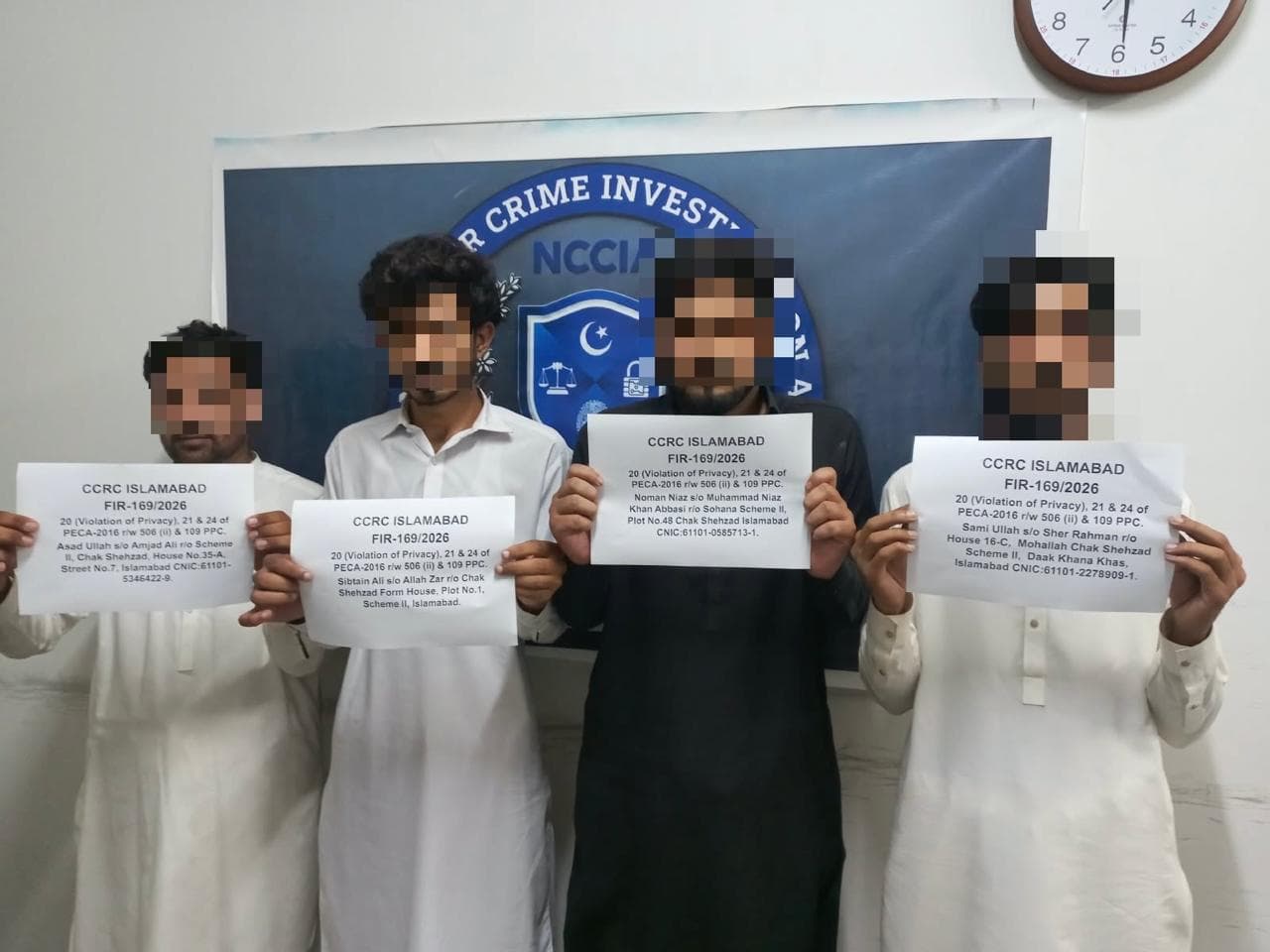
Pakistan's NCCIA arrests four in Islamabad for blackmailing woman with intimate images, a strong step for women's online safety
Pakistan's NCCIA Islamabad has arrested four men, Asad Ullah, Sibtain Ali, Noman Niaz and Sami Ullah, accused of harassing and blackmailing a woman by sharing objectionable images and videos of her with her family and in WhatsApp groups. Four phones were recovered. The swift action under PECA 2016 sends a clear message that image-based abuse of women will be pursued and punished.
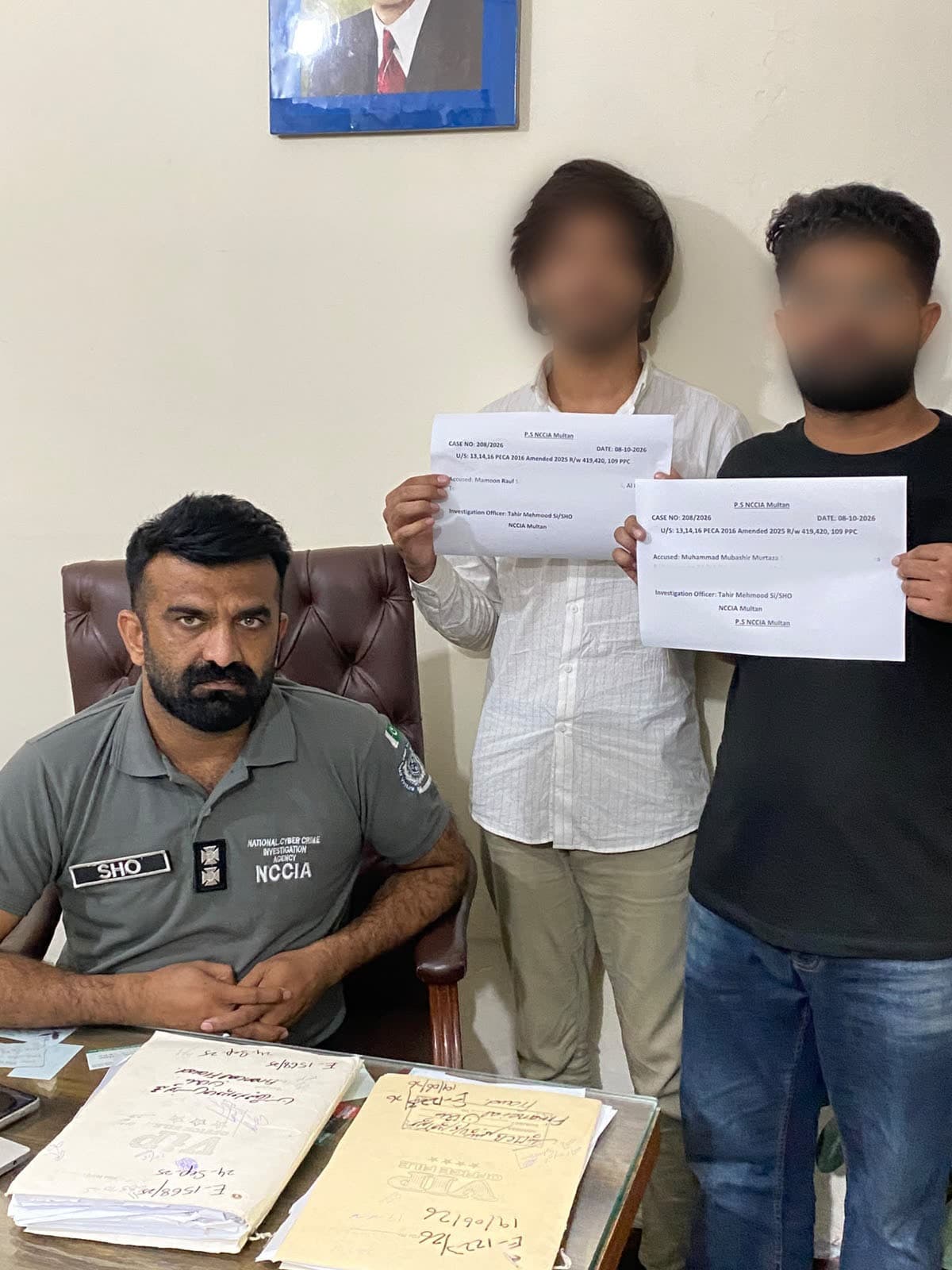
Pakistan's NCCIA arrests two over fake TikTok steel-trade ads as social media marketplace scams spread
Pakistan's NCCIA Multan has arrested two men, Mamoon Rauf and Muhammad Mubashir Murtaza, accused of using a fake steel sale-and-purchase ad on TikTok to trick a buyer into transferring money into their bank accounts. Two mobile phones were recovered, and a case has been registered under PECA 2016 (amended 2025) and the Pakistan Penal Code. The case shows how TikTok ads are becoming a storefront for fake trade deals.

India's Karnataka State signs MoU with ElevenLabs on voice AI, deepfake safeguards and voice restoration
The Indian state of Karnataka has signed a memorandum of understanding with voice AI company ElevenLabs. The two will explore uses of voice AI in governance, AI safety and voice restoration, with safeguards against deepfakes, unauthorised voice cloning, fraud and impersonation. Under a voice restoration initiative, eligible people who have lost their voice will get free lifetime licences to speak again in a synthetic version of their own voice, including in Kannada.

Lahore's call-centre problem won't go away: NCCIA arrests 37 more in Johar Town for defrauding Americans
Pakistan's NCCIA has arrested 37 suspects at an alleged illegal call centre in Lahore's Johar Town that targeted US citizens. Operators allegedly posed as US mobile carriers selling phones to harvest card details, then used them for unauthorised transactions. The raid comes days after earlier busts in the same neighbourhood, raising hard questions about why Lahore's scam-centre industry keeps rebuilding faster than it is dismantled.
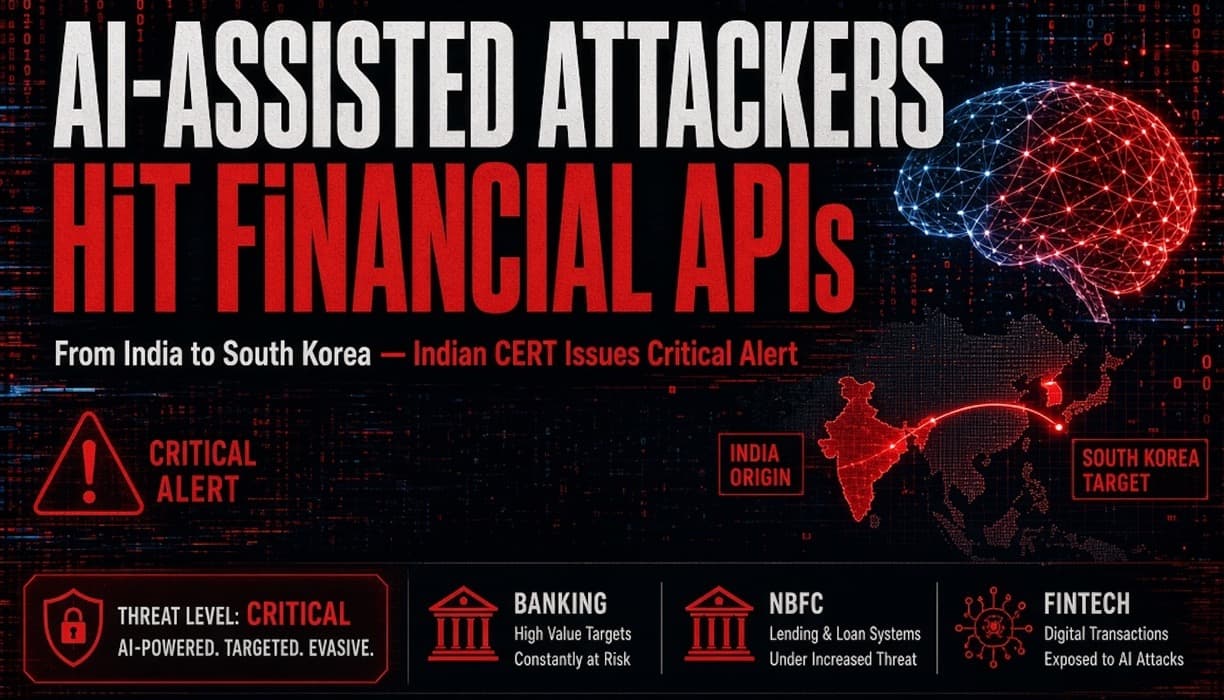
AI-assisted attackers hit financial APIs from India to South Korea as CERT-In issues critical alert
CERT-In has issued a critical advisory (CIAD-2026-0046) warning that attackers are stealing payment API credentials from NBFCs, fintechs, payment providers and wallets, then triggering fund transfers directly to mule accounts. It flags the possible use of AI-assisted offensive frameworks. The alert follows a wave of AI-assisted API breaches at seven South Korean financial firms that exposed data on more than 67,000 people. In both cases attackers went through weakly guarded side APIs.
Why companies should use Meta's Brand Rights Protection tool for countering Impersonation Scams
Impersonation through fake brand stores, cloned support pages and scam ads is one of the fastest-growing forms of social media fraud. Meta removed over 159 million scam ads in 2025, and the FTC recorded $2.1 billion in reported social media scam losses for Americans. Meta's Brand Rights Protection tool gives verified trademark owners AI-assisted monitoring, bulk reporting and allowlisting to find and remove fakes on Facebook and Instagram.

Liberia arrests 67 foreign nationals, mostly Chinese, in transnational cybercrime raid
Liberian police and joint security forces have arrested more than 67 foreign nationals, mostly Chinese citizens, in raids on three suspected cyber-fraud sites in Paynesville. Officers seized over $1.3 million in counterfeit US dollars, more than 100 phones carrying up to 20 WhatsApp accounts each, and over 50 computers. Liberia has asked the FBI for forensic help. On 8 October, a court issued a writ of habeas corpus for several of the detainees.

Indian Prime Minister calls for global framework on deepfakes and cross-border cyber fraud
Indian Prime Minister Narendra Modi has called for a global framework to tackle deepfakes and cross-border cyber fraud. He urged the GSMA and telecom operators worldwide to build a joint mechanism that stops fraud before it reaches users. Speaking at the 10th India Mobile Congress in New Delhi on 8 October 2026, the Prime Minister said governments, tech firms, operators and banks must act together.
Another week, another scam call centre: NCCIA raids Lahore desk targeting UK victims
Pakistan’s NCCIA has raided yet another illegal call centre in Lahore, this one allegedly posing as telecom providers to defraud victims in the United Kingdom. Nine people were held and laptops and phones loaded with VoIP calling software were seized. It is the latest in a run of near-weekly raids that raises a hard question: why do these operations keep reappearing?

India rejects Elon Musk’s “oligarchs” charge, calls Starlink discrimination claim baseless
India’s Ministry of Communications has rejected Elon Musk’s claim that unnamed “oligarchs” are blocking Starlink, calling any suggestion of an unfair or discriminatory framework “baseless and misconceived.” The ministry says three satellite licensees, Starlink among them, are all in the same mandatory security assessment. No evidence was ever offered for Musk’s charge.
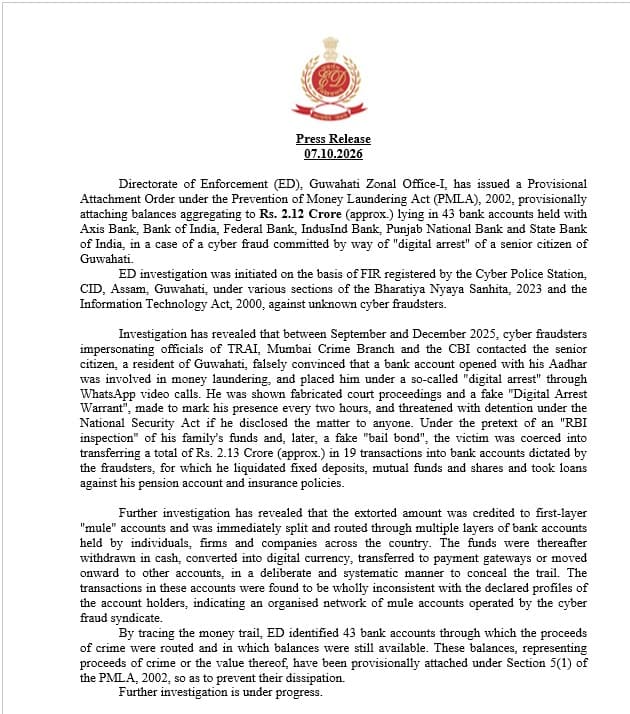
India’s ED freezes $250,000 in digital-arrest scam that drained a Guwahati pensioner
India’s Enforcement Directorate has provisionally attached about ₹2.12 crore ($250,000) across 43 bank accounts in a digital-arrest scam that targeted a Guwahati senior citizen. Fraudsters posed as TRAI, Mumbai Crime Branch and CBI officers on WhatsApp, coerced 19 transfers totaling about ₹2.13 crore, then layered the money through mule accounts nationwide.
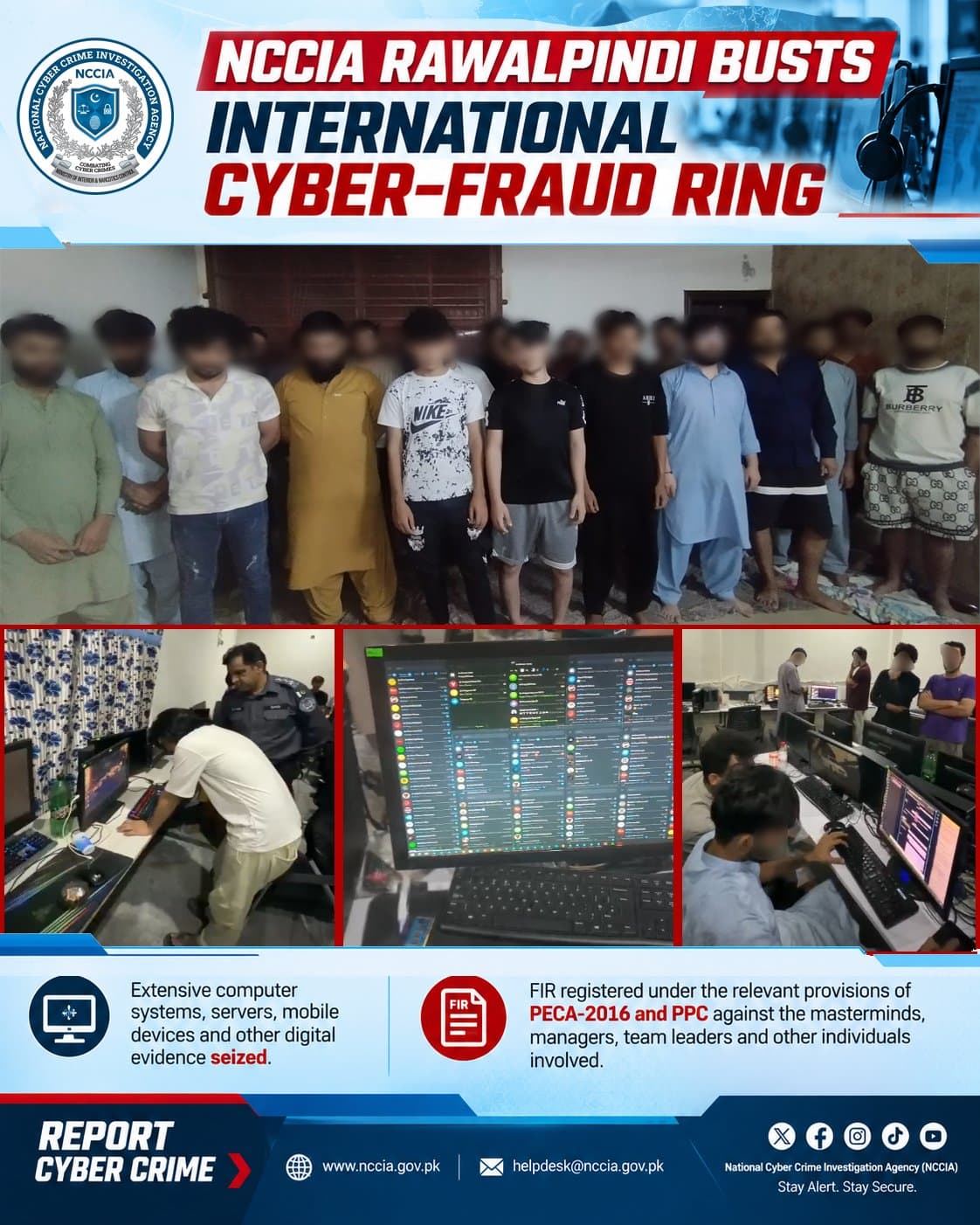
Scam Centre targeting Australians using Telegram based investment scam raided in Pakistan
Pakistan’s National Cyber Crime Investigation Agency has raided the Abbasi Call Center in Rawalpindi, alleging an international cyber-fraud ring used fake Telegram profiles to build emotional relationships with foreign nationals, mainly Australians, then steered them into fake YouTube tasks and USDT crypto investments. Computers, servers and phones were seized. A case has been registered under PECA and the Pakistan Penal Code.

Disaster Relief Scams: How to Spot Fake FEMA Agents and Charities
After storms and wildfires, scammers pose as FEMA staff, charities and contractors. The FTC's warning signs, how to verify help, and where to report fraud.

DentaQuest Data Breach: What to Do If Your Health Data Was Exposed
DentaQuest says at least 15 million people were hit by a breach claimed by ShinyHunters. How to guard against medical identity theft and fraud right now.

IDScan Data Breach: What to Do If Your Driver's License Was Exposed
IDScan disclosed a breach after a dark-web service claimed 153M+ US and Canadian licenses. How to protect yourself: freezes, your DMV, an IRS IP PIN and more.

FBI Warns: Fake IC3 Agents and Deepfakes Target Scam Victims
Scammers are impersonating the FBI's IC3 with Telegram messages and AI deepfake videos to re-target fraud victims. How it works and how to report safely.
India's Home Ministry convenes state police chiefs on crypto and darkweb crime under S4C Connect
India’s Indian Cyber Crime Coordination Centre (I4C) held S4C Connect, a workshop on cryptocurrency and darkweb crime, in New Delhi on 8 October 2026. Union Home Secretary Govind Mohan, I4C CEO Rajesh Kumar, state and UT cybercrime chiefs and industry experts attended. The aim was to tighten coordination between the Centre and states as crypto laundering and darkweb markets drive more fraud.
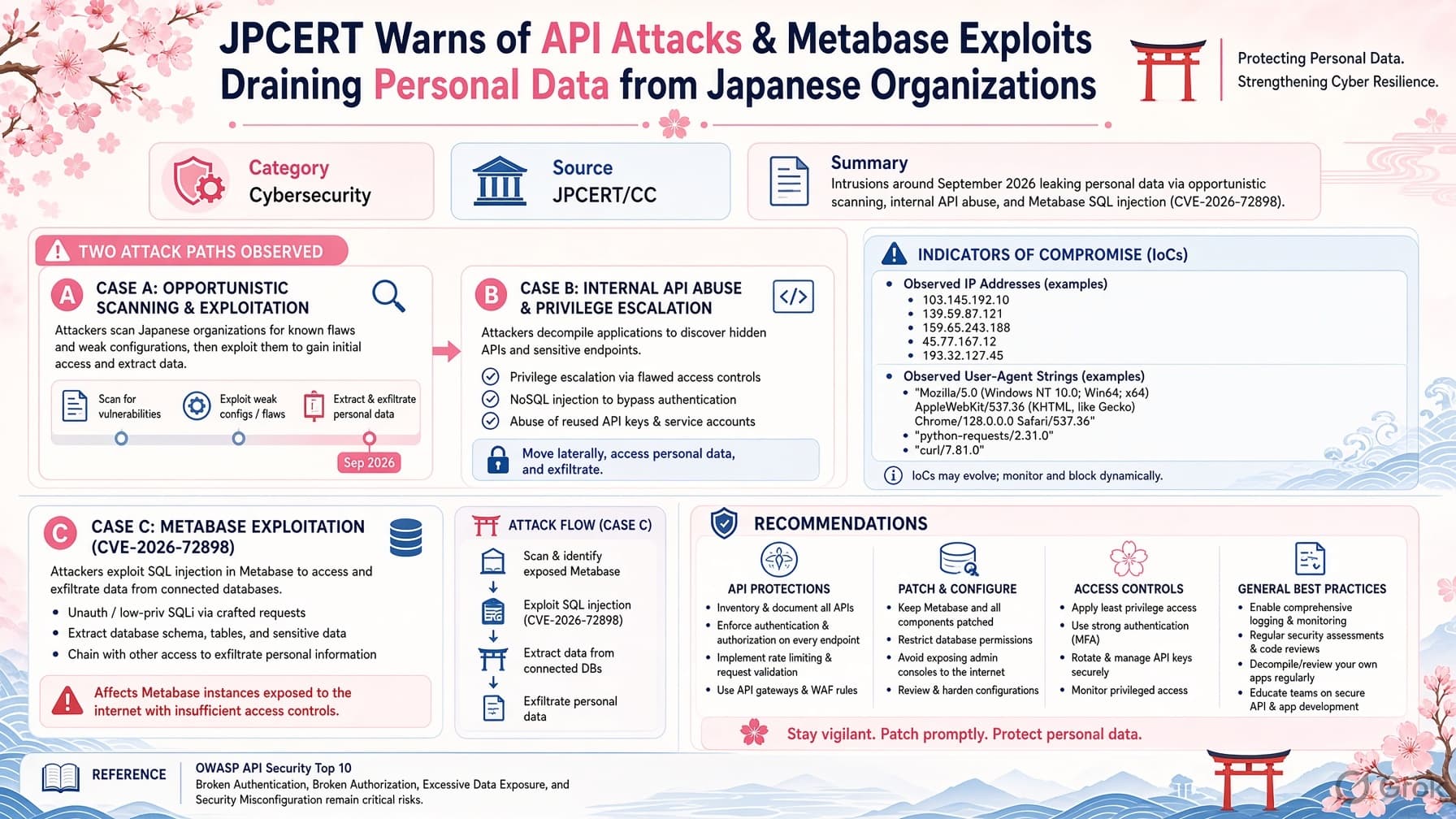
JPCERT warns of a wave of API attacks and Metabase exploits draining personal data from Japanese organisations
Japan’s JPCERT/CC has warned of a run of intrusions around September 2026 that leaked large volumes of personal data from Japanese organisations. Attackers scanned for known flaws, reverse-engineered mobile apps to find hidden API endpoints and keys, abused internal admin APIs and NoSQL injection, and exploited the Metabase SQL injection flaw CVE-2026-72898. Internal BI tools and staff systems were also hit.
Mumbai Police: 2,805 malicious APKs, 9,673 victims, ₹150 crore — developer as a service for cyber gangs
Mumbai Crime Branch has arrested a 36-year-old Madhya Pradesh software developer accused of building and selling 2,805 malicious Android APKs to fraud gangs. Police link the apps to 9,673 victims nationwide and about ₹150 crore in fraud. The case shows how ready-made malware is sold as a service outside Google Play.
Pakistan cracks down on mule SIM cards
Pakistan’s National Cyber Crime Investigation Agency says its Multan unit has arrested two men allegedly involved in registering and using multiple fake SIM cards linked to financial scams. Officers recovered two mobile phones. The case fits a wider pattern of “mule SIMs” used to hide the real callers behind fraud.