Pakistan Busts Rawalpindi Call Centre Over Suspected Chinese-origin Loan App sharking
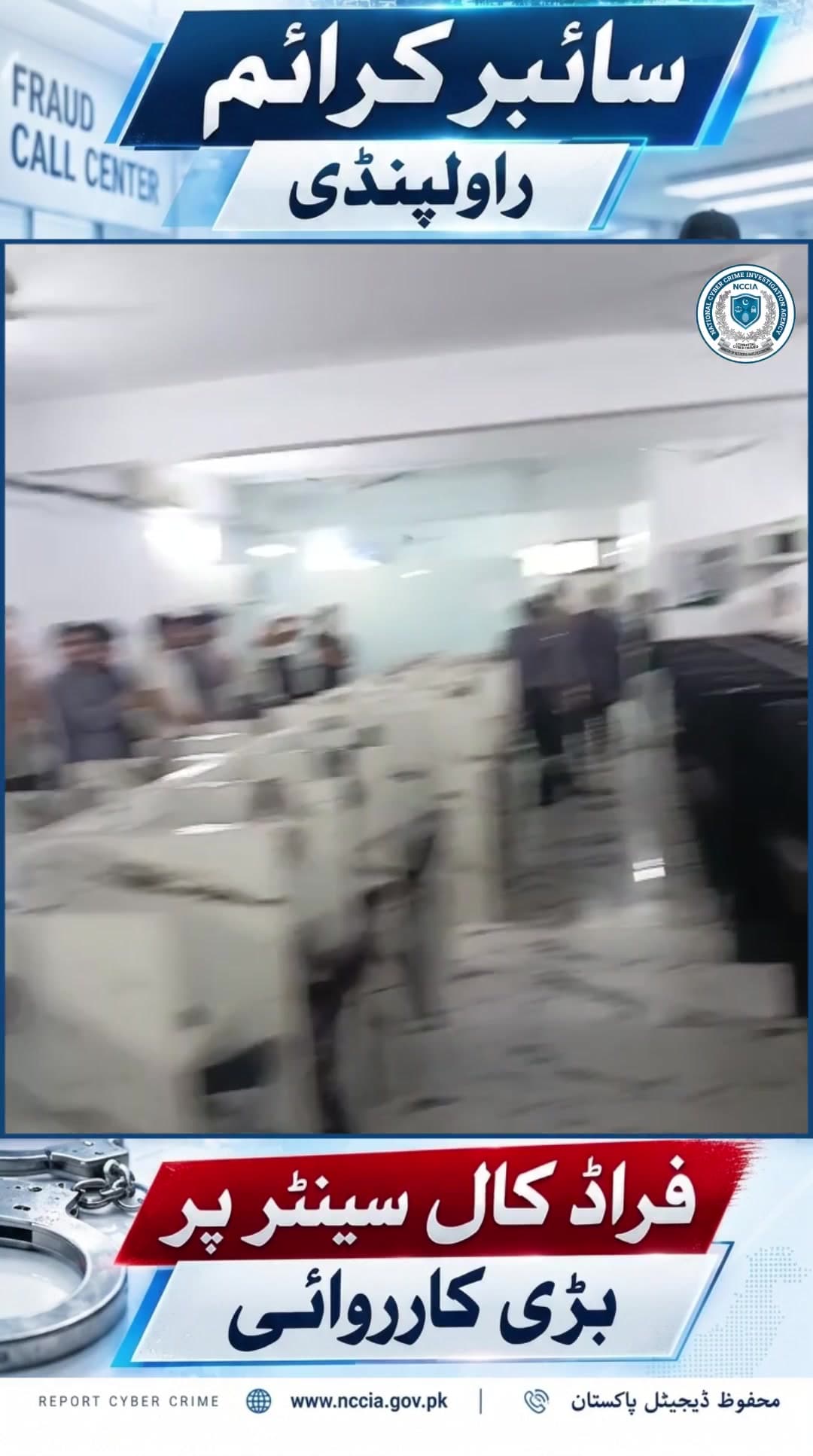
NCCIA Rawalpindi raided an alleged illegal call centre in Commercial Market, Satellite Town, arresting 61 suspects and seizing 155 laptops and 71 phones (28 Sep 2026). Officials say preliminary findings point to illegal foreign-loan recovery with threats and intimidation of customers abroad.
RAWALPINDI / ISLAMABAD, Pakistan’s National Cyber Crime Investigation Agency (NCCIA) says it has dismantled an alleged illegal call centre in Rawalpindi’s Commercial Market, Satellite Town, arresting 61 suspects and seizing 155 laptops and 71 mobile phones in a raid tied to what investigators describe as illegal foreign-loan recovery, including threats and intimidation of customers abroad.
The agency’s official account posted the operation on Monday, 28 September 2026, framing the bust as part of an intensifying twin-cities crackdown on fraud floors that hide behind ordinary BPO façades while exporting harassment and financial coercion across borders.
What NCCIA Says It Found
According to the NCCIA Rawalpindi notice, preliminary examination of the site pointed to alleged involvement in illegal foreign-loan recovery activities.
Public statements carried by Pakistani and regional outlets add that operators allegedly posed as recovery agents, pressured foreign nationals for payments, and caused severe mental distress to victims, conduct authorities say also damages Pakistans international reputation.
Press briefings consistent with the official line say a tip-off led teams to the Commercial Market facility, where suspects were allegedly caught red-handed.
A case has been registered; forensic and technical analysis of seized devices is underway.
Investigators are examining call recordings, chat and messaging trails, and alleged payment details to map who directed the operation, including alleged owners, financiers, and possible foreign handlers.
Suspected Modus: Loan Apps, Data, Threat Calls
The emerging picture of the alleged modus operandi mirrors a pattern now familiar across South and Southeast Asia: predatory or lightly regulated online lending, harvested personal data, and aggressive “recovery” desks that threaten borrowers and sometimes their contacts over purported repayments, interest, and penalties.
Reporting based on official information describes the Rawalpindi floor as presenting itself as a legitimate BPO / customer-support office, with operators working in shifts on purported loan-recovery calls aimed at foreign citizens.
Arrested suspects reportedly include floor managers, team leaders, and call agents.
The NCCIA’s own post on this raid does not name the nationality of the 61 arrestees however foreign (Chinese) control of many such companies have been identified locally in the past.
Victims: Foreign Borrowers Under Coercion
Official language centres on foreign nationals as the primary targets of the alleged intimidation.
The harm claimed is twofold: financial extraction under threat, and psychological distress from abusive messaging and pressure campaigns.
By design, such desks externalise risk: victims sit overseas; the call inventory, scripts, and hardware sit in Pakistan; reputational damage lands on the host countrys digital brand.
That cross-border asymmetry is precisely why loan-recovery harassment centres have become a priority for cybercrime agencies seeking international credibility.
Seizures, Legal Action, and the Twin-Cities Wave
Material recoveries from the Rawalpindi raid 155 laptops and 71 phones, plus administrative and server-side records cited in secondary reporting, have been secured for forensic examination.
A formal case against the arrestees is registered; follow-up raids and efforts to identify alleged masterminds continue, according to agency messaging.
NCCIA Director-General Syed Ali Nasir Rizvi has publicly cast illegal call centres as a threat to national image and public trust, pledging “indiscriminate and vigorous action.
The Rawalpindi bust lands amid a wider surge: last week the agency reported detaining 212 suspects, including Chinese nationals, at three Islamabad illegal call centres linked to other fraud typologies; earlier, authorities cited large foreign-national roundups, including a major Islamabad Gulberg Greens action.
Why This Matters Internationally
Illegal foreign-loan recovery desks sit at the ugly intersection of fintech abuse, data trafficking, and transnational coercion.
When recovery is outsourced to threat factories, “debt collection” becomes harassment-as-a-service.
Host states that tolerate or fail to dismantle such floors invite sanctions risk, diplomatic friction, and loss of trust in their digital workforce narrative.