India rejects Elon Musk’s “oligarchs” charge, calls Starlink discrimination claim baseless
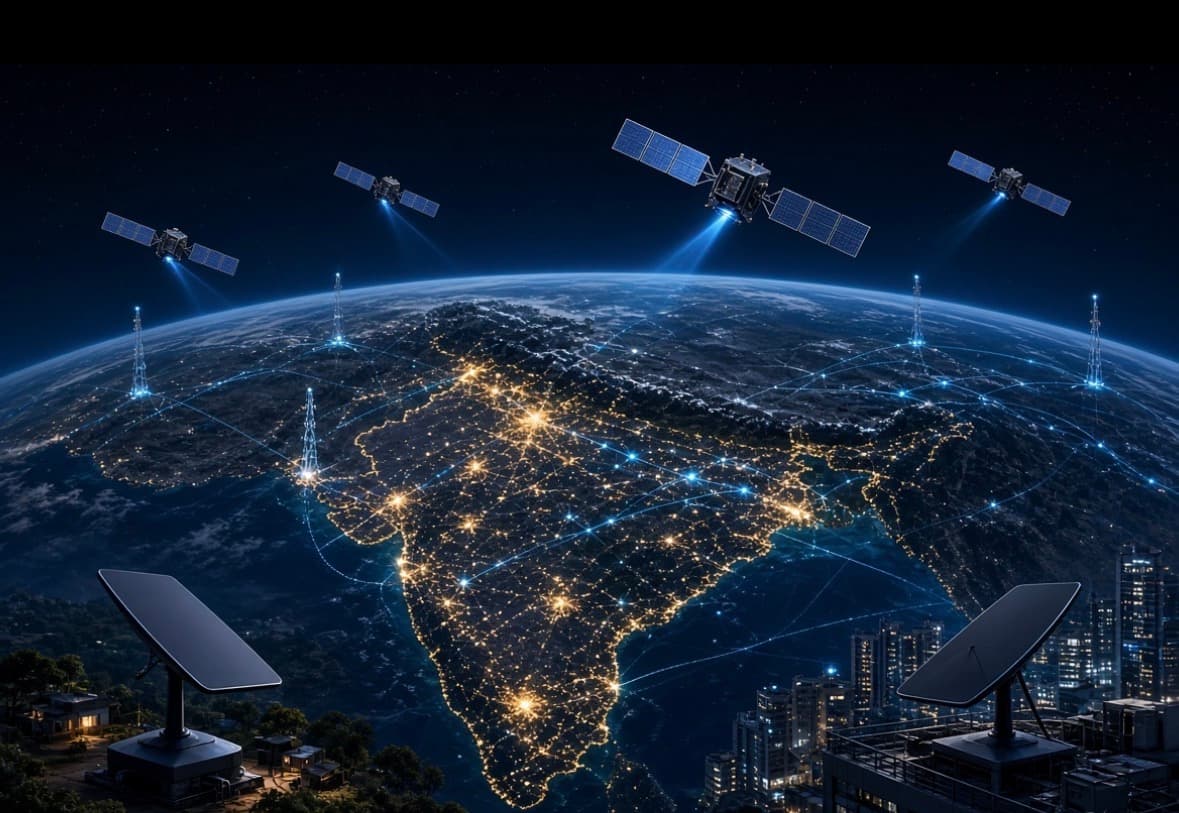
India’s Ministry of Communications has rejected Elon Musk’s claim that unnamed “oligarchs” are blocking Starlink, calling any suggestion of an unfair or discriminatory framework “baseless and misconceived.” The ministry says three satellite licensees, Starlink among them, are all in the same mandatory security assessment. No evidence was ever offered for Musk’s charge.
NEW DELHI: India has hit back at Elon Musk’s charge that Starlink is being held back by “oligarchs.”
On 8 October 2026 the Ministry of Communications called any suggestion that its satellite rules are unfair or discriminatory “baseless and misconceived.”
The rebuttal came hours after Musk posted on 7 October that Starlink was being blocked by unnamed “oligarchs” protecting a “monopolistic chokehold on the Indian people,” and called the delay “a crime against the people of India.”
His post named no company, no official and no order, and no evidence has been observed to support it.
What New Delhi said
The ministry said India has a “fair and non-discriminatory authorisation framework” for all telecom services, including satellite communications.
Licences have been granted to three Global Mobile Personal Communication by Satellite (GMPCS) providers that use non-geostationary constellations.
Each licensee must show it complies with security conditions designed to protect users and their data.
That security assessment is under way for all three.
Only after it clears can a licensee seek spectrum assignment, and the ministry said all three are at “broadly the same regulatory stage.”
The message is plain: Starlink is not being singled out. It is in the same security queue as its rivals.
Why the rules matter
Satellite broadband reaches straight into users’ homes from infrastructure outside national borders.
India’s licence terms require lawful-interception capability, data that stays within the country, and control over gateways.
These conditions apply to every operator.
Sources say SpaceX told India Mobile Congress it has built 20 gateway sites in India and designed security controls to keep Indian user data in-country, but building gateways is not the same as passing the assessment.
Not unique to India
Starlink’s own map lists commercial service as waiting on regulatory approval in:
- Brunei
- India
- Pakistan
- Saudi Arabia
- Thailand
- Türkiye
It is marked unavailable or blocked in:
- Afghanistan
- Belarus
- China
- Hong Kong
- Macao
- North Korea
- Russia
- Syria
- Iran is widely treated as prohibited
Musk’s post drew millions of views, but it rested on rhetoric, not records.
India has now said on the record that the process is the same for everyone.
Starlink’s launch will be decided by the security review, not by posts on X.