Fake Indian e-Visa Websites: India's Pretoria Mission Names Five to Avoid
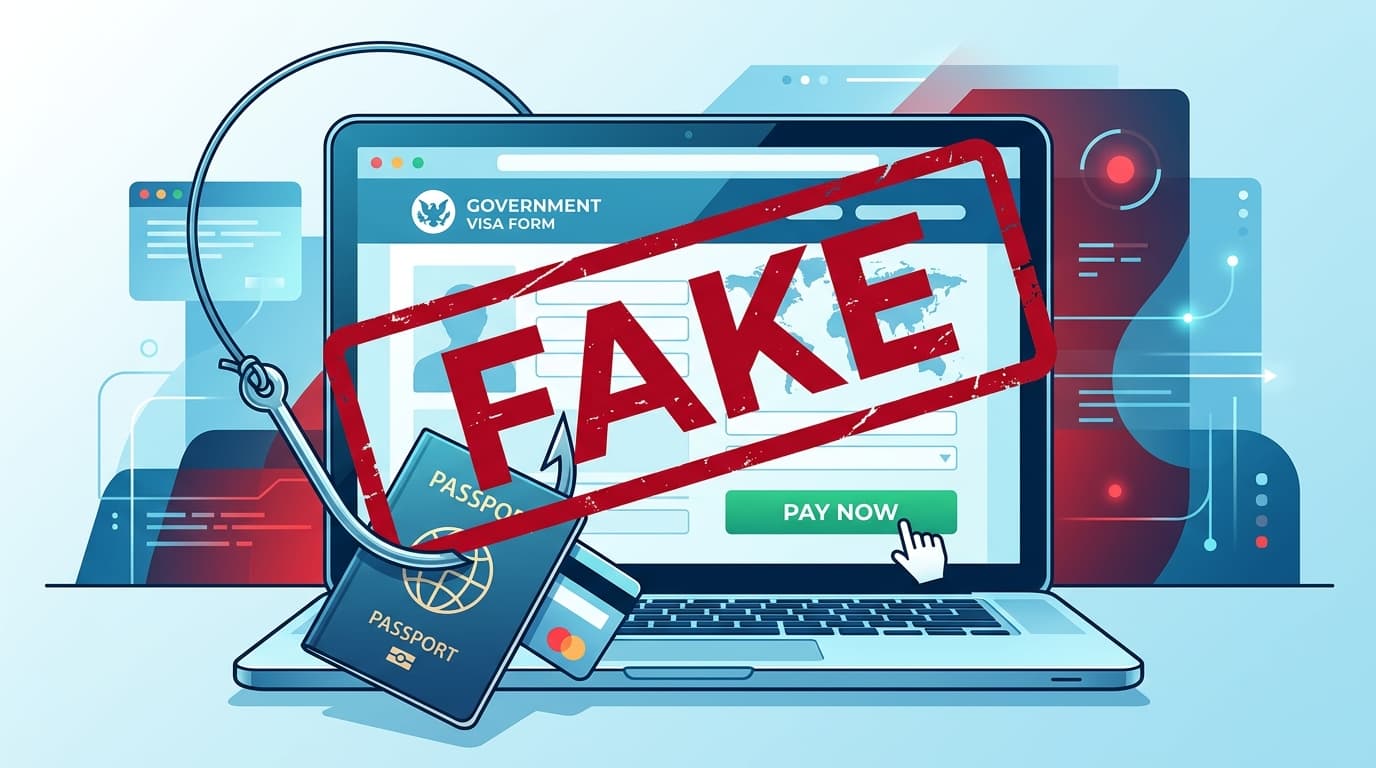
The High Commission of India in Pretoria named five fraudulent e-visa websites impersonating the official portal. Use only indianvisaonline.gov.in.
The High Commission of India in Pretoria has warned travellers about a wave of fraudulent websites that impersonate India's official e-visa portal, imitate government pages, and charge people inflated fees for a service that is cheaper, or free, on the real site. In an advisory, the mission named five fake sites that were surfacing at the top of search results for “e-visas to India,” and stressed that there is only one genuine portal: indianvisaonline.gov.in.
Primary source: High Commission of India, Pretoria — official advisory
On this page
At a glance
What the advisory says
According to the High Commission, it had come to its notice that unauthorized websites are posing as Government of India authorized portals for e-visas to India and duping unsuspecting applicants. “These fake websites often imitate official government pages and may charge excessive fees for services that are either available at a lower official cost or provided free of charge by the High Commission,” the advisory states. The mission added that it accepts applications and requests only through its official channels, and that it cannot be held responsible for monetary losses resulting from the use of unauthorized websites.
The fake sites vs the real one
The advisory listed these five web addresses as fraudulent sites that were appearing as top search results for “e-visas to India.” They are reproduced here as plain text, not links, on purpose. Do not visit them, enter any details, or pay them anything.
| Status | Website |
|---|---|
| ✗ Fake | indiaonlinevisas.org.in |
| ✗ Fake | evisatoindia.org.in |
| ✗ Fake | indianvisaservices.org.in |
| ✗ Fake | evisaindia.org |
| ✗ Fake | indianvisagov.in |
| ✓ Genuine | indianvisaonline.gov.in |
Notice the trick in the addresses. The real portal ends in .gov.in, the protected domain reserved for the Indian government. The fakes lean on lookalike endings such as .org.in and plain .in, which anyone can register, and pad the name with official-sounding words like “gov,” “services” or “online” to seem legitimate.
Why this scam works
These sites succeed for two reasons. First, they are built to look almost identical to the official portal, so a rushed traveller cannot tell the difference. Second, and more dangerous, they buy or optimise their way to the top of search results, so someone who simply searches “India e-visa” and clicks the first link can land on a fake without ever mistyping anything. Once there, the victim pays a marked-up “fee” and hands over passport details and personal data, which can be used for identity theft or resold, while the real visa may never be filed.
How to spot the real government site
- The domain is everything. India's e-visa is issued only at indianvisaonline.gov.in. Genuine Government of India sites end in .gov.in or .nic.in, never .org.in, .org, .com or a bare .in.
- Type it, don't search it. Enter the official address yourself instead of clicking a search result or an ad, which is where the fakes sit.
- Watch the fees. If a site's charge looks high or padded with “service” and “processing” add-ons, check it against the official portal, which lists the real cost.
What to do
- Use only indianvisaonline.gov.in for an Indian e-visa, typed directly into your browser. Treat every other “India visa” site as unofficial.
- Verify before you pay or upload anything. Check the domain ends in .gov.in before entering passport details or card information.
- If you already used one of these sites, contact your bank or card issuer immediately to stop or dispute the charge, watch for misuse of the passport and personal details you shared, and be alert to follow-up scams referencing your “application.”
- Apply through the High Commission's official channels for any query, not through a third-party “visa service” that contacted you.
- Report it. Report fraudulent charges to your bank, and cyber fraud in India to the portal at cybercrime.gov.in or the helpline 1930.
Frequently asked questions
What is the official website for an Indian e-visa? Only indianvisaonline.gov.in. Any other similar-sounding or similar-looking site is not official.
How do I know a site is really the Indian government? Genuine Government of India websites use the .gov.in or .nic.in domains only. Addresses ending in .org.in, .org, .com or a plain .in are not government sites, however official they look.
Are these third-party visa sites illegal? The High Commission calls them unauthorized and fraudulent, warns they charge excessive fees, and says it is not responsible for money lost on them. Some “visa facilitation” sites operate in a grey area, but the safe and cheapest route is always the official portal.
I paid a fake site. Can I get my money back? Contact your bank or card issuer at once to dispute the charge, the sooner the better. Also monitor the passport and personal information you entered for misuse.
Why did a fake site show up first when I searched? Fraudulent sites deliberately optimise and advertise to rank at the top for terms like “India e-visa.” A high search position is not proof a site is official.
Source
Based on the High Commission of India, Pretoria advisory “Advisory Regarding Fraudulent Websites for e-Visas to India.” Website names are reproduced as listed in the advisory; the only official Government of India e-visa portal is indianvisaonline.gov.in.
If you have been targeted by a fake-website or payment scam, you are not alone. See our cybercrime help hub for step-by-step reporting and recovery guides.