Fake 'Embassy of India' Calls Target Indian Students in Spain: The 'Rupesh Sharma' Document Scam
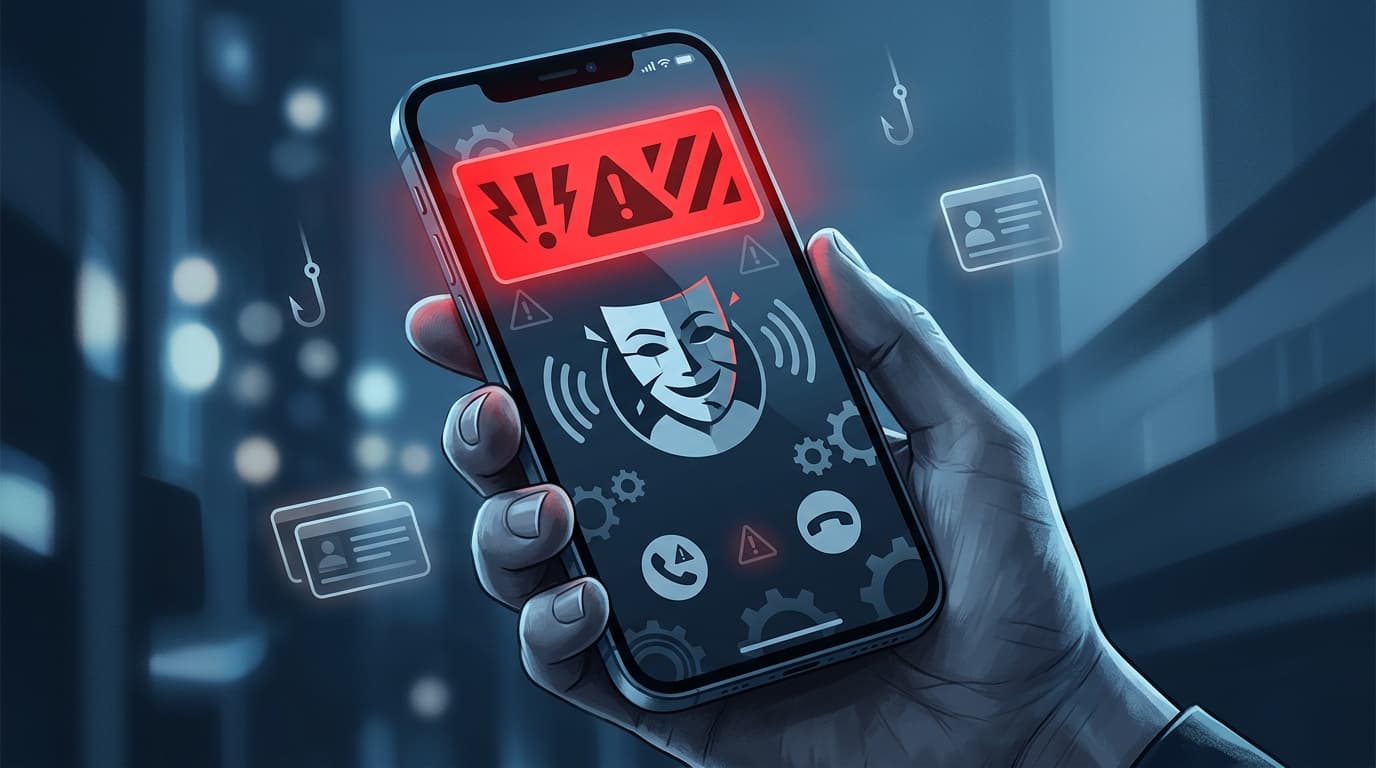
The Embassy of India in Madrid warns of caller-ID-spoofing scam calls: an imposter posing as 'Rupesh Sharma' phones Indian students demanding personal documents.
The Embassy of India in Madrid has issued a public advisory warning Indian nationals in Spain, and students in particular, about fake phone calls from a fraudster impersonating an embassy official. The scammer uses caller ID spoofing so his number shows up as the Embassy's own Reception line, introduces himself as “Rupesh Sharma,” and asks people to hand over personal documents under false pretexts. The embassy's message is blunt: do not entertain any such call.
Primary source: Embassy of India, Madrid — official advisory, 1 July 2026
On this page
At a glance
What the embassy said
In an advisory signed by Sarvjit Kaur Puri, Attaché (Consular), and dated 1 July 2026, the Embassy of India in Madrid said it had come to its notice that some Indian nationals, especially students, were receiving fake calls from an imposter projecting himself as a member of the Embassy. “Through Caller ID Spoofing, the fake caller's number erroneously appears as the Embassy Reception number. He introduces himself as ‘Rupesh Sharma’ and asks for personal documents under false pretexts,” the notice states. It urges all Indian nationals “not to entertain any such calls demanding personal documents.”
How the scam works
This is a targeted impersonation scam. The caller claims to be from the Embassy of India and invents a reason you must urgently share personal documents, a passport copy, a visa or residence card, a student ID, bank details or the like. The pretext is designed to sound official and time-sensitive so you comply before you think. Those documents are gold to a fraudster: they enable identity theft, fraudulent visa or loan applications, and further scams against you or your family. No genuine embassy cold-calls people to collect personal documents over the phone this way.
Why the “embassy” number on your screen proves nothing
The unsettling part of this scam is that the caller ID shows the real Embassy Reception number. That is caller ID spoofing: with cheap internet-calling tools, a scammer can make any number they like appear on your screen. It is faked display text, not proof of who is calling. Crucially, spoofing only affects the number shown on an incoming call. It cannot redirect a call you place yourself. So if you hang up and dial the embassy's official number, you will reach the real embassy, not the scammer. That single habit defeats the entire trick.
What to do
- Do not share any documents or personal details on the call. Not your passport, visa, residence card, student ID, bank or card details, or one-time codes. The embassy explicitly says not to entertain such calls.
- Hang up and verify independently. Do not trust the number on your screen. Look up the Embassy of India, Madrid's official contact details yourself (from its official website, eoimadrid.gov.in) and call back on that number. The advisory lists the Embassy Reception as +34 91 309 88 82.
- Do not act on urgency. Pressure to send documents “immediately” is the tell. A real consular matter will still be there after you have verified.
- Warn your circle. Students and new arrivals are being targeted; tell classmates and community groups so the next call lands on someone who already knows.
- Report it. Report the call to the embassy so it can track the campaign, and to the Spanish police (the National Police, Policía Nacional, on 091). You can also report to India's cybercrime portal at cybercrime.gov.in.
Why students are the target
Indian students abroad are a natural mark for an embassy-impersonation scam. They are new to the country, they genuinely do deal with the embassy for passports, visas and documents, and they are anxious to get official paperwork right, exactly the mindset a fake “embassy official” exploits. It fits a wider pattern of scammers posing as authorities that people are predisposed to trust, from fake police and tax officials to, now, fake diplomats. The defence is the same in every version: real institutions do not demand your documents or money in a surprise phone call, and a number on your screen is never proof of who is really calling.
Frequently asked questions
Is the call really from the Embassy of India if it shows the embassy's number? No. Caller ID can be spoofed to show any number. The embassy has confirmed the real Reception number is being faked by a scammer.
What is the scammer after? Your personal documents, passport, visa or residence details, IDs, and financial information, which he asks for “under false pretexts.” These enable identity theft and further fraud.
What name does the imposter use? He introduces himself as “Rupesh Sharma,” a member of the Embassy of India, Madrid, per the advisory.
How do I check if a call is genuinely from the embassy? Hang up and call the embassy back yourself on the official number from its website (eoimadrid.gov.in). Spoofing cannot affect a call you dial.
I already shared documents. What now? Contact the embassy on its official number, be alert for misuse of those documents (fraudulent applications, loan or account attempts), inform your bank if financial details were shared, and report the incident.
Source
Based on the Embassy of India, Madrid advisory “Advisory on Fake Calls received by Indian nationals,” signed by Sarvjit Kaur Puri, Attaché (Consular), dated 1 July 2026, and shared on the embassy's official channels (@IndiainSpain). Contact details are as listed in the advisory; always confirm current numbers on the embassy's official website.
If you have been targeted by an impersonation scam, you are not alone. See our cybercrime help hub for step-by-step reporting and recovery guides.