The "Safe Account" Scam: When a Fake Bank Fraud Team Tells You to Move Your Money
A caller with your bank's real caller ID says fraudsters are targeting your account and you must move money to a "safe account." That instruction is the scam.
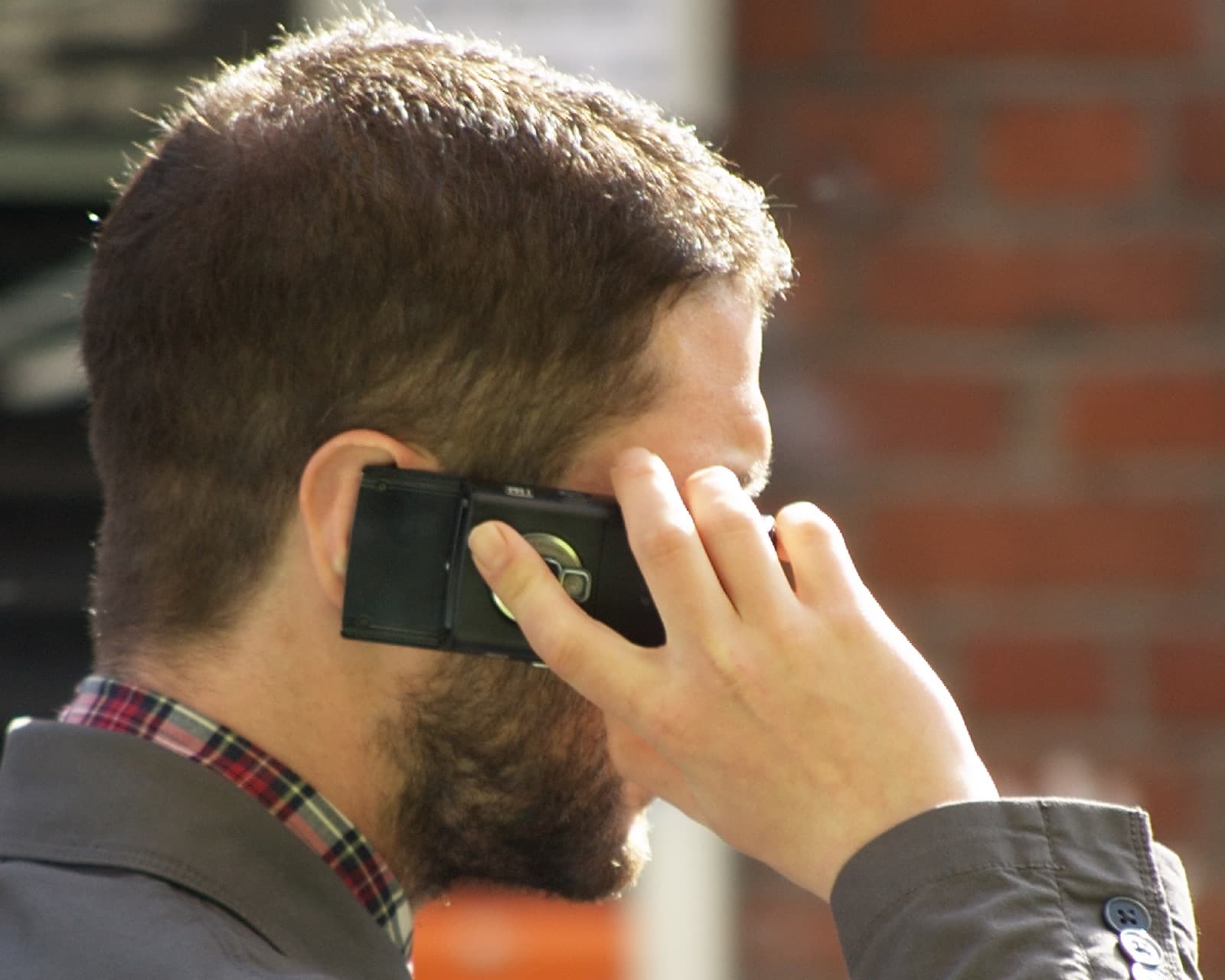
Image: a phone call in progress · Credit: Tim Parkinson · CC BY 2.0 · source
Quick answer: No real bank will ever call you and tell you to move your money into a "safe account" to protect it from fraud. That instruction is the scam. If you get this call, hang up, and call your bank back on the number printed on your card or statement, not a number the caller gives you.
The call feels convincing: your bank's real name on caller ID, someone who sounds professional, and an urgent warning that fraudsters are targeting your account. The "fix" they offer, moving your money to a new "secure" or "safe" account, is the fraud itself. Once you send it, it goes straight to the scammer.
How the scam works
- You get a call, often with a spoofed caller ID that displays your real bank's name or a number that looks legitimate.
- The caller says your account has been compromised or that someone tried to impersonate you, and that acting fast is critical.
- They tell you to move your money to a new "safe," "secure" or "protected" account that they control, or to withdraw cash and hand it over, sometimes via a courier or a crypto ATM.
- Once the transfer or handover happens, the money is gone. There is no safe account. It was the scammer's account all along.
The rule that protects you
No legitimate bank, government agency or law-enforcement officer will ever ask you to move your money to a different account to protect it, ask you to withdraw cash and hand it to a courier, or ask you to buy gift cards or send crypto to "verify" or "secure" funds. If anyone asks for any of this, it is a scam, regardless of how official they sound or what the caller ID shows.
What to do if you get this call
- Hang up. Do not stay on the line to "confirm" anything.
- Call your bank back yourself, using the number on the back of your card or on a genuine statement, never a number the caller gave you.
- Never move money, withdraw cash, or buy gift cards on a caller's instruction, no matter who they claim to be.
- If you already sent money, call your bank immediately to try to freeze or recall the transfer, and file a report at ic3.gov the same day.
- Report the number and the scam to reportfraud.ftc.gov, and warn family members, since these calls often target older adults.
Frequently asked questions
The caller ID showed my bank's real number. How is that possible? Caller ID can be spoofed to display any name or number. It is not proof of who is really calling.
Would a bank ever ask me to move money to a "safe account"? No. This is never a legitimate banking procedure. Treat any such request as fraud.
What if they already knew some of my personal details? Scammers often have partial information from data breaches or social media. Knowing your name or address does not make the call legitimate.
I already moved the money. What now? Call your bank immediately to attempt a recall, and file with the FBI at ic3.gov the same day. Speed matters.
How do I verify a call is really from my bank? Hang up and call the number on your card or statement yourself. Never use a number or link provided during the suspicious call.
Related: if you have already sent money, see our guide on recovering a wire transfer.
If you have been targeted, you are not alone. See our cybercrime help hub for step-by-step reporting and recovery guides.