Loan-App Scams in India: How Predatory Apps Trap and Extort
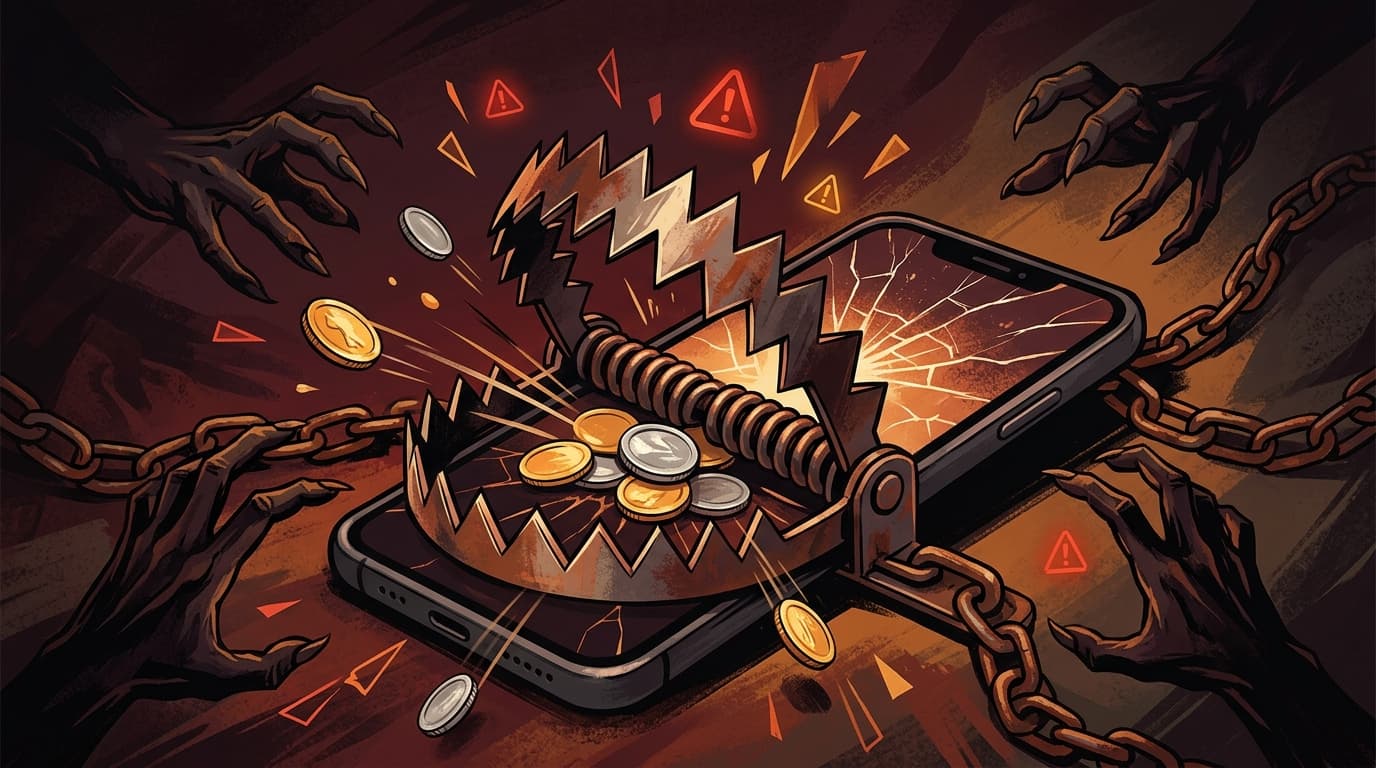
Instant cash, no paperwork, then double the debt and threats to your contacts. How India's predatory loan apps trap borrowers, the regulatory crackdown, and how to spot a legal lender from an extortion racket.
You download an app promising instant cash with no paperwork. A few thousand rupees arrive within minutes. A week later you owe nearly double, and strangers are calling your boss, your mother and your friends, sometimes with your face pasted onto an obscene photo. This is the trap India's predatory loan apps are built to spring.
How the trap is built
The pitch is speed: a tiny, short-term loan with no credit check. The catch is in the fine print, steep fees deducted upfront and effective interest that can run into the hundreds or even thousands of percent once annualised. You receive less than you borrowed and owe far more, within days. The real damage is set up at install: many apps demand sweeping permissions and quietly harvest your entire contact list, photo gallery and location. Legitimate lenders do not need any of this. The data is collected for one purpose: leverage.
How the harassment works
When repayment falls due, sometimes even after you have paid, the abuse begins. Recovery agents blast threatening, often obscene messages to everyone in your contacts. The most vicious tactic is image-based abuse: agents pull photos from your phone, morph them into compromising pictures, and threaten to circulate them unless you keep paying. Many of these apps are not registered with the Reserve Bank of India at all, and investigations have linked a large share to overseas operators running outside any Indian regulatory perimeter.
The human cost
This is not only financial harm. Indian police and credible newsrooms have documented deaths tied to loan-app extortion, including a 2023 family suicide in Bhopal whose note described relentless recovery harassment, and the case of an Andhra Pradesh student who repaid a 10,000 rupee loan with interest and was still hounded with morphed images before his death; three overseas-based accused were later arrested. If you are being harassed, this is a crime being committed against you, not a debt you must satisfy at any cost.
The crackdown
Regulators have moved hard. The RBI's Digital Lending Guidelines, first issued in 2022 and consolidated in the RBI (Digital Lending) Directions, 2025, require that loan money flow directly between your bank account and the registered lender, that you get a clear statement of the all-in interest rate before borrowing, and that apps collect only need-based data with consent, not your contacts and photos. The RBI now publishes a public directory of lending apps run by regulated entities, and Google Play now requires new personal-loan apps to appear on that list, part of a purge that has removed thousands of unauthorised apps. The government has also blocked China-linked lending apps under the IT Act.
How to protect yourself
Before you borrow, verify the lender. A legal app is operated by, or partnered with, an RBI-registered bank or non-banking finance company, names a grievance officer, shows transparent terms upfront, and does not demand access to your contacts, gallery or call logs. Check the RBI's directory and the Sachet portal to confirm an entity is genuine. If you are already being targeted: do not pay the extortion, because paying never ends it; preserve evidence such as screenshots and call logs; and report immediately.