Kolkata Police arrest 9 in Pratibimb-led raid on lottery and loan call-centre scam
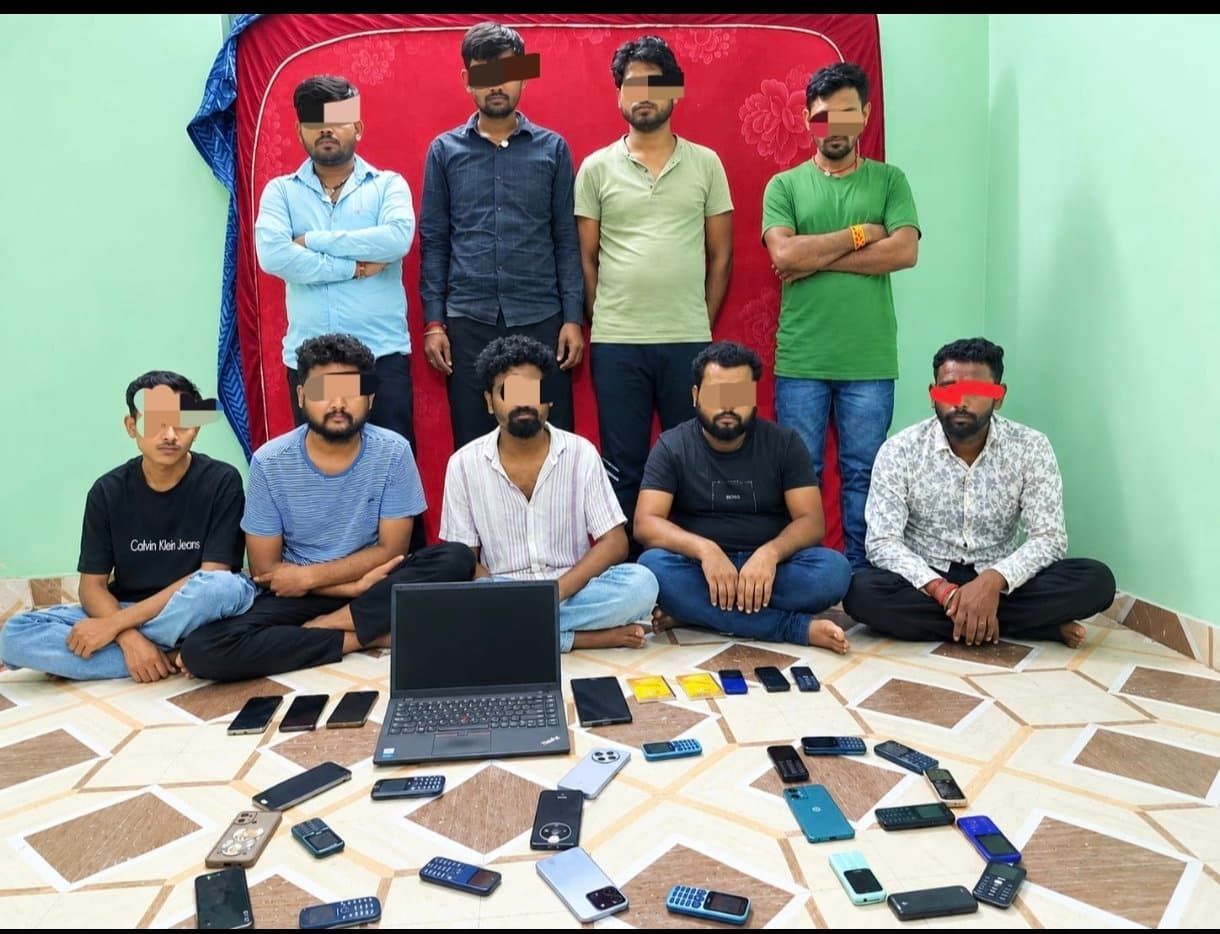
Kolkata Police’s Cyber Crime Branch arrested nine people in a Picnic Garden raid on a domestic call-centre scam, guided by Pratibimb Hotspot Analysis. Pratibimb is India’s I4C geospatial module that maps cybercrime infrastructure for police; accused allegedly impersonated Kerala State Lottery, Dhani Loan and Bajaj Finance staff targeting South Indian victims.
Kolkata: The Cyber Crime Branch of Kolkata Police has raided a flat at Luv Kush Apartment, 146 Picnic Garden Road, and arrested nine people allegedly running a domestic call-centre fraud operation. Police said the raid was driven by Pratibimb Hotspot Analysis, a national geospatial intelligence tool used by Indian law enforcement to locate cybercrime infrastructure.
According to an official post by the Deputy Commissioner of Police (Cyber Crime), Kolkata Police, the accused allegedly targeted people in South Indian states by impersonating staff of Kerala State Lottery, Dhani Loan, Bajaj Finance and similar brands, and by using forged and fabricated documents to build trust.
[IMAGE 1]
What was seized
During the operation, police seized 10 smartphones, 16 keypad mobile phones, 1 laptop, 1 tablet, 4 notebooks and other incriminating documents and printouts. A specific case has been registered. The arrested persons were to be produced before a local court with a prayer for police custody.
[IMAGE 2]
What is Pratibimb?
For readers outside India: Pratibimb (the Hindi word roughly means “reflection” or “mirror image) is a law-enforcement-only module of India’s national cybercrime coordination system. It sits under the Indian Cyber Crime Coordination Centre (I4C), an attached office of the Ministry of Home Affairs, and forms part of the wider Samanvaya platform, Indias MIS, data repository and coordination layer for sharing cybercrime data across states and union territories.
Pratibimb maps the locations of cybercrime-linked criminals, active mobile numbers and crime infrastructure onto a geographic (GIS) map. That gives jurisdictional officers a visual “hotspot view of where scam call centres and related infrastructure appear to be operating, even when victims are hundreds or thousands of kilometres away. It also helps agencies seek and receive techno-legal assistance from I4C and specialist partners.
Access is restricted to authorised police officers. It is not a public tip line; citizens report fraud separately through India’s National Cybercrime Reporting Portal and the 1930 helpline. In a February 2026 reply to Indias Parliament, the Home Ministry said Pratibimb had contributed to the arrest of 20,853 accused and supported 1,35,074 cyber investigation assistance requests.
Why this raid matters internationally
The Picnic Garden case is a classic domestic pattern with cross-state reach: operators sit in one city (Kolkata, in eastern India) while victims are solicited in other regions (southern Indian states) through VoIP or mobile calls that spoof trusted brands, lottery authorities and consumer-finance companies. Hotspot analysis lets local cyber units convert national complaint and telecom intelligence into a street-level raid, rather than waiting for victims in distant states to file a local case first.
Kolkata Police framed the action under its public #CyberSafety / #StopDropInform messaging: stop the call, drop any payment demand, and inform police.