Is OnePay Genuine? What Users Should Check Before Installing | Chinese 刷单 (brushing / order-completion) pattern
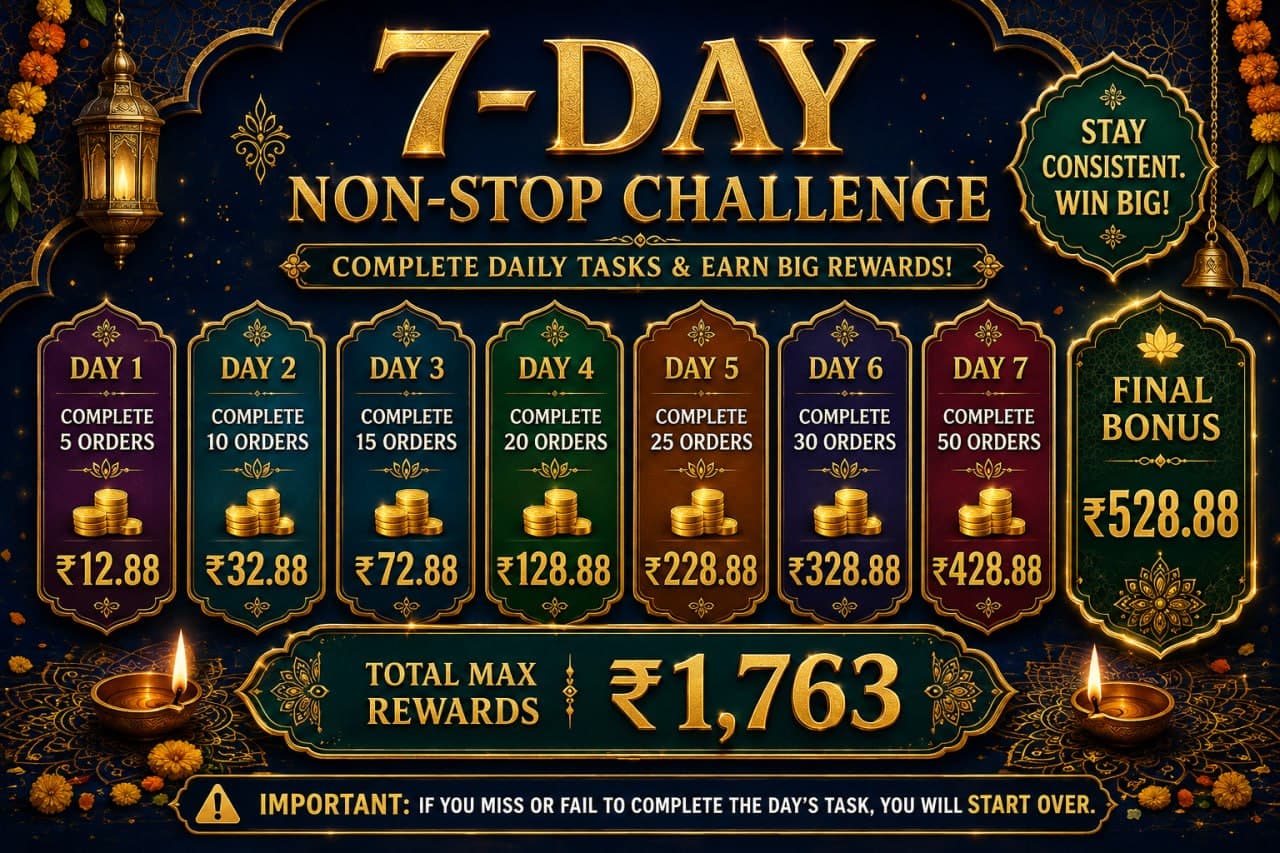
OnePay resembles like Chinese 刷单 (brushing / order-completion) pattern used by illegal payment gateways
OnePay, accessible via one-pay.ink and promoted on Telegram and WhatsApp, presents itself as a simple way to earn commissions by completing daily “orders.” Users are asked to register, bind their UPI accounts (especially business wallets), deposit money or USDT, and then buy orders that return the principal plus a small reward.
For ordinary users considering the app, the critical question is whether the platform is a legitimate earning opportunity or something riskier.
How the Platform Works
According to promotional material and screenshots of the interface, the process typically involves these steps:
- Register using an invite link.
- Bind one or more UPI IDs, often business or merchant wallets from Paytm, BharatPe, MobiKwik, Freecharge or Navi, by providing OTPs.

- Deposit funds or buy USDT at a rate the platform lists as higher than the open market (commonly advertised as ₹109 when market rates are lower).

OnePay - P2P Crypto transactions - “Buy” orders of fixed amounts. The user pays the full amount from a linked wallet. The platform then credits the same amount plus a commission (often 2–3.6 %) to an internal balance.
- Complete consecutive daily targets (for example, 5 orders on Day 1 rising to 55 on Day 7) to unlock extra bonuses. Night-time hours sometimes carry higher commission rates.
Users who miss a day in the consecutive challenge lose the ultimate bonus and must restart.
Red Flags Experts Flag
Several features of OnePay match patterns previously linked to money-mule and illegal payment-gateway operations in India:
- OTP requests for UPI binding, especially business accounts. Sharing an OTP can give another party control over the payment instrument. Legitimate apps rarely need repeated OTPs to “bind” wallets for task-based earning.
- Forced use of specific wallets (often Mobikwik or Paytm) when buying orders. This concentrates activity on accounts the platform can more easily monitor or control.
- Above-market USDT rates. Offering a noticeably higher rate than exchanges such as Binance or Bybit is a common lure that also serves as an exit channel for operators.

- Gamified consecutive-day challenges and night bonuses. These keep accounts active and discourage users from withdrawing early.
- “Risk Check” status and clusters of failed transactions. Users have reported sudden strings of failed sell or order attempts, after which the platform may restrict withdrawals.
- Lack of transparent company details. The domain sits behind Cloudflare, uses a short-lived .ink extension, and shows no clear Indian corporate registration or regulatory licence in public records.
Researchers at Ministry of Cyber Affairs warns about similar “task” or “order-completion” apps that recruit people to move funds on behalf of others, often linked to online gambling, investment schemes or loan-app fraud. In those cases, the people completing the orders effectively act as money mules, sometimes without realising the full risk.
Practical Checks Before Installing or Binding Anything
Anyone considering OnePay (or any similar app) can run these simple checks first:
- Search the exact domain and app name together with words such as “scam,” “complaint,” “frozen account” or “CBI.” Look beyond the first page of results.
- Never share UPI OTPs with any third-party app or person claiming to help you “bind” a wallet for earnings.
- Ask whether the company is registered with the Ministry of Corporate Affairs or holds any RBI/NPCI-related authorisation. Legitimate payment or investment platforms usually display this information clearly.
- Compare the USDT rate offered with live rates on major exchanges. A consistently higher rate is a warning sign.
- Read the withdrawal rules carefully. Platforms that make deposits easy but withdrawals slow, conditional or subject to “risk control” deserve extra caution.
- Prefer apps listed on official app stores with transparent developer information and a clear privacy policy. Side-loaded or Telegram-only apps carry higher risk.
Bottom Line : Install at your own RISK
OnePay’s public interface and promotional material show a system that asks users to bind UPI accounts via OTPs and then make outbound payments in exchange for commissions. These mechanics closely resemble known money-mule recruitment methods rather than a conventional, regulated earning or payment service. Your account may be used to accept illegal deposits, which may lead to legal issues.
Users who value the safety of their bank and UPI accounts are advised to treat any request for OTPs, business-wallet binding, or above-market crypto rates with extreme caution. When in doubt, the safer choice is not to install or bind anything until the platform’s legitimacy can be independently verified through official channels.