India's Karnataka State signs MoU with ElevenLabs on voice AI, deepfake safeguards and voice restoration
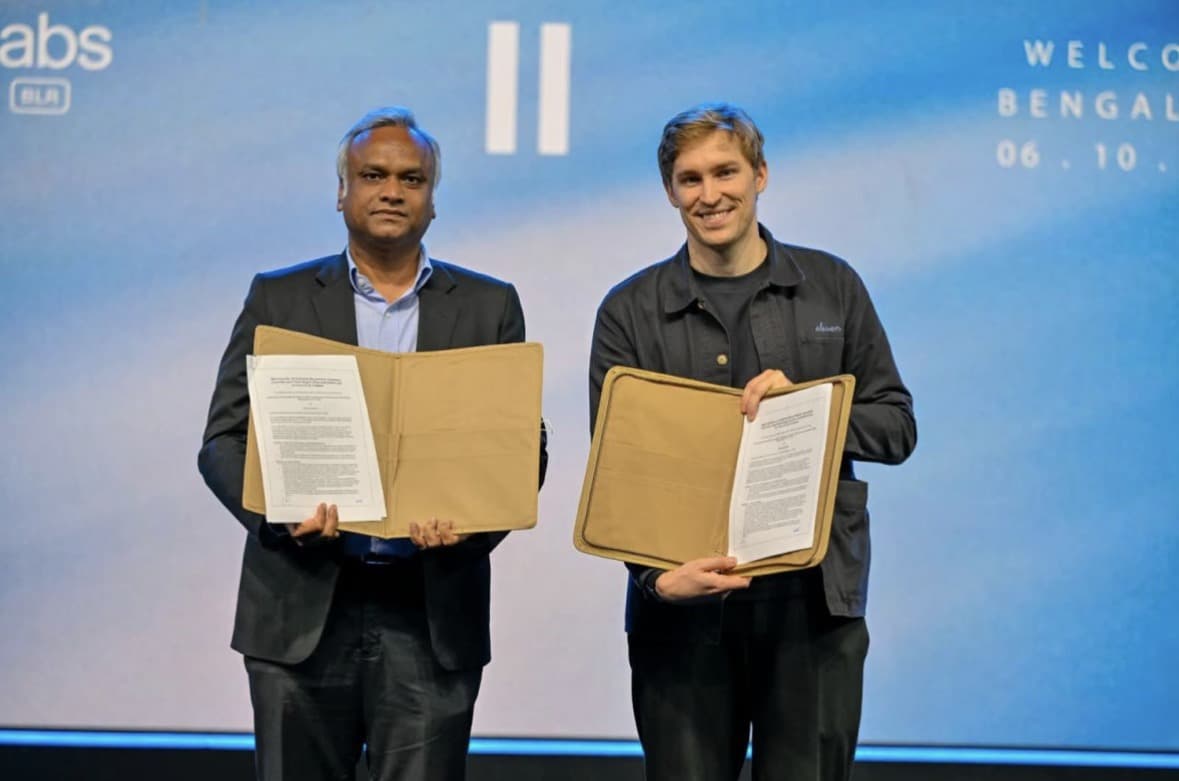
The Indian state of Karnataka has signed a memorandum of understanding with voice AI company ElevenLabs. The two will explore uses of voice AI in governance, AI safety and voice restoration, with safeguards against deepfakes, unauthorised voice cloning, fraud and impersonation. Under a voice restoration initiative, eligible people who have lost their voice will get free lifetime licences to speak again in a synthetic version of their own voice, including in Kannada.
BENGALURU: The Indian state of Karnataka has signed a memorandum of understanding (MoU) with ElevenLabs, a global voice AI company. The deal puts deepfake and voice-cloning safeguards at the centre of the state's plans to use AI in public services.
The agreement was signed by Karnataka's IT and Biotechnology Department. Priyank M Kharge, the state's Minister for IT/BT, said it is a "citizen-first step toward using AI for public good."
Guardrails against voice fraud
The partnership will explore voice AI applications across governance, AI safety and voice restoration. The minister said it will help strengthen Karnataka's Responsible AI framework, with safeguards against deepfakes, unauthorised voice cloning, fraud and impersonation.
The focus matters. Cloned voices now drive fake "digital arrest" calls, impersonation of family members in distress and executive-impersonation payment fraud in India and worldwide. A government working directly with a voice AI provider on these risks is an early model for how states can adopt the technology while limiting its misuse.
Giving people their voice back
The flagship of the partnership is a voice restoration initiative. Eligible people who have lost the ability to speak will be able to communicate again using a synthetic version of their own voice, including in Kannada, with free lifetime licences under ElevenLabs' programme.
Voice AI for public services
Karnataka will also explore voice AI for government helplines, grievance redressal and easier access to public services. The minister said the aim is to use frontier technology responsibly to deliver real value in people's lives.