India Leads the Global Charge: Delhi High Court’s Landmark Google-Hindware Ruling Ushers in a New Era of Digital IP Protection
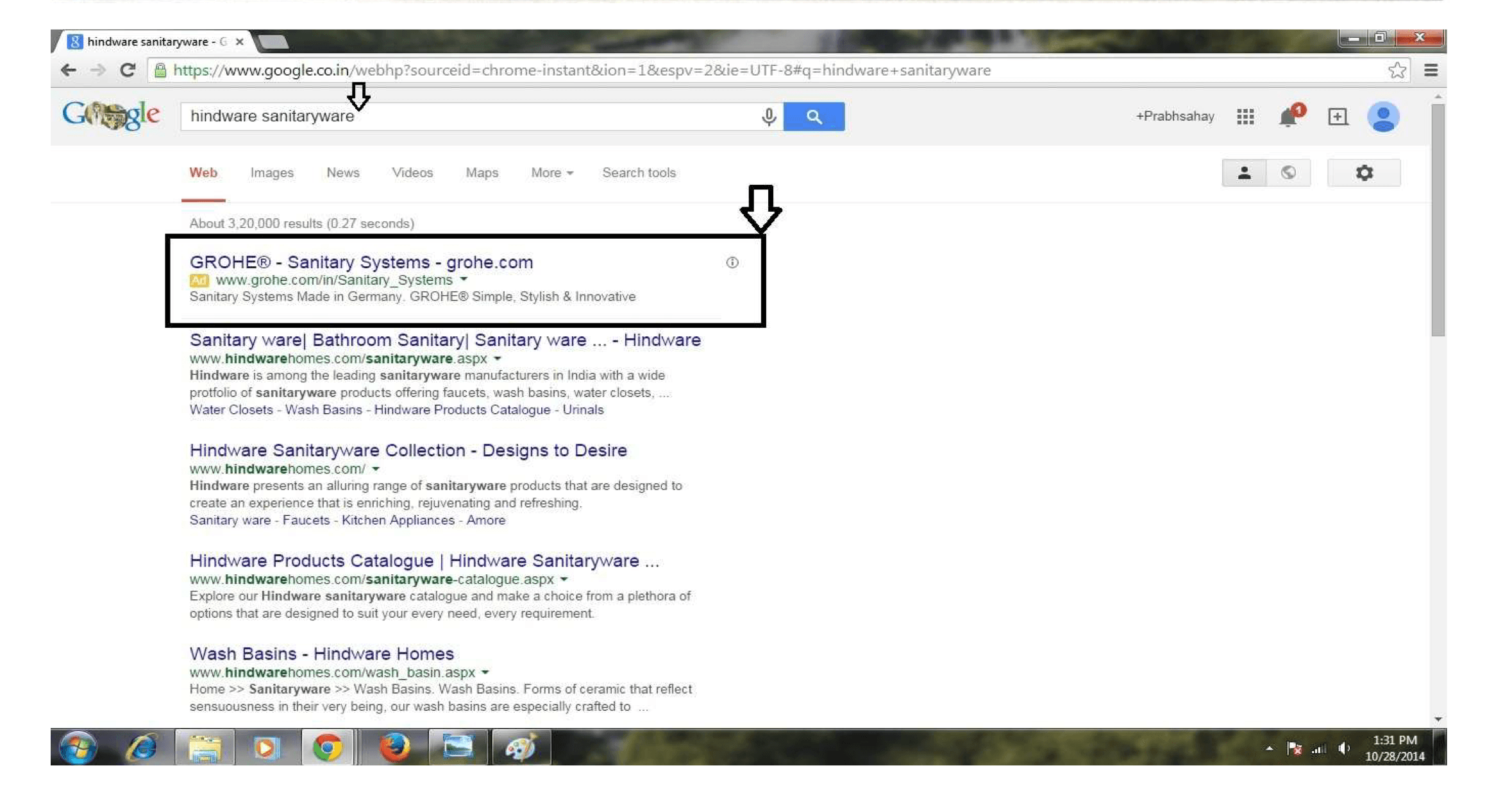
This verdict doesn’t just resolve a dispute between a proud Indian sanitaryware brand and the tech giant, it signals India’s emergence as a global frontrunner in balancing innovation with robust intellectual property safeguards in the online advertising ecosystem.
New Delhi, India
Court Ruling on Trademark Infringement
In a decisive 163-page judgment that is being hailed as a watershed moment for brand protection in the digital age, the Delhi High Court has firmly held Google LLC and Google India accountable for trademark infringement through its AdWords (Google Ads) program. Justice Mini Pushkarna’s ruling in Hindware Ltd. v. Grohe India Pvt. Ltd. & Ors. (and the connected Cera matter) permanently restrains Google from allowing or facilitating the use of the well-known coined mark “HINDWARE” (and variants) as keywords, while imposing ₹30 lakh in damages.
India’s Bold Judicial Stand
The case laid bare how competitors bid on “HINDWARE” keywords, causing their ads to dominate search results and siphon traffic and goodwill. While Hindware settled with the direct advertisers, the Court pierced through Google’s intermediary defense. It ruled that by suggesting keywords via its Planner Tool, running auctions, applying Quality Scores, and earning from pay-per-click, Google is an active participant, not a mere passive platform, making it liable under the Trade Marks Act, 1999, while limiting safe harbor under Section 79 of the IT Act.
This proactive approach by Indian courts deserves high praise. In a country with millions of MSMEs and aspiring startups building valuable brands, the judiciary has drawn a clear red line: You cannot monetize someone else’s hard-earned goodwill without accountability. India is demonstrating that digital growth need not come at the cost of IP theft or unfair competition. This is Atmanirbhar Bharat in action, empowering domestic innovation against platform dominance.

Global Comparison of Legal Standards
Trademark keyword bidding has long been a contentious global issue. In the United States, courts have largely shielded Google (e.g. in Rosetta Stone v. Google), often viewing keyword use as functional or non-infringing, with strong intermediary protections under laws like Section 230. Advertisers bear primary responsibility, leaving brands to play whack-a-mole.
In the European Union, the CJEU’s 2010 Google France decisions (Louis Vuitton cases) similarly leaned toward Google not directly “using” marks in a trademark sense for keywords, though national courts and evolving policies (like stricter ad text rules) have imposed more obligations over time. The EU’s Digital Markets Act (DMA) and Digital Services Act (DSA) reflect growing unease with Big Tech, but enforcement remains fragmented and often advertiser-focused rather than platform-accountable.
India’s judgment stands out for its nuance and boldness: It distinguishes coined/well-known marks from generic terms, rejects pure “backend trigger” defenses, and emphasizes active facilitation and revenue sharing. While the West grapples with Big Tech lobbying and free-speech concerns, India has prioritized brand owners and consumer clarity in a rapidly digitizing economy. This positions India not as a follower, but as a thought leader for the Global South and emerging markets where local brands are most vulnerable.
Entrepreneurial Leadership Perspectives
Prominent voices in India’s business community have strongly endorsed the spirit of the ruling.
Anupam Mittal, founder of Shaadi.com and Shark Tank India judge, has long been vocal: “Globally, Big Tech has monetized brand keywords and disintermediated the very companies that built demand in the first place. They do more evil than good in this regard.” He criticized how giants force founders to bid on their own names just to stay visible online.
Nithin Kamath, co-founder of Zerodha, described the verdict as “a landmark win against unfair ad tactics, potentially reshaping India’s massive digital advertising scene” and protecting genuine Indian businesses from predatory practices.
Other startup leaders echo this sentiment, calling for greater accountability to ensure India’s digital public infrastructure rewards creators, not just aggregators.
Digital Advertising and Cybercriminal Exploitation
Google Ads and Facebook (Meta) Ads have been exploited by cybercriminals to facilitate scams, fraud, and related crimes by providing scalable, targeted reach to potential victims.
According to the FBI's Internet Crime Complaint Center (IC3), criminals purchase search engine advertisements, often appearing at the top of results with minimal distinction from organic listings, to impersonate legitimate brands and businesses, directing users to spoofed websites that distribute malware (including ransomware), steal login credentials, or phish for financial information, such as by mimicking cryptocurrency exchanges or software download pages.
The FTC has reported that social media was the costliest fraud contact method in 2025, with $2.1 billion in losses (an eightfold increase since 2020), where Facebook accounted for the most among platforms; scammers buy ads, hack accounts, or leverage targeting tools based on age, interests, and habits to promote investment scams (causing $1.1 billion in losses) and shopping scams (the most reported type, often leading to fake or impersonating sites).
In response, Google stated in its 2025 Ads Safety Report that it blocked or removed over 8.3 billion ads and suspended 24.9 million accounts, including 602 million scam-related ads, using AI tools like Gemini that stop over 99% of violating ads before they run.
Meta has publicly detailed lawsuits against deceptive advertisers (using tactics like celeb impersonation and cloaking), account suspensions, payment blocks, domain takedowns, and law enforcement collaborations to disrupt scam networks on its platforms.
Future Implications and Regulatory Impact
The Hindware judgment is more than a legal win, it is a statement. As nations worldwide debate how to rein in platform power without harming user experience or innovation, India has shown a pragmatic, brand-friendly path forward.
By continuing to refine its regulatory framework and sharing its jurisprudence, India can lead the conversation on ethical digital advertising. For Indian brands, this is validation. For the world, it’s an invitation to a fairer internet. Posts on X suggest that now more and more companies will be taking the legal route to fix the digital advertisement injustice by Google.
Sources
- barandbench.com
- livelaw.in
- indianexpress.com