Can a Chargeback Get Your Money Back After a Scam? The Honest Answer Depends on How You Paid
A chargeback can claw back money after an online scam, but only for card payments and only within tight deadlines. Who qualifies, the rules by country, and the fake 'recovery' scam to avoid.
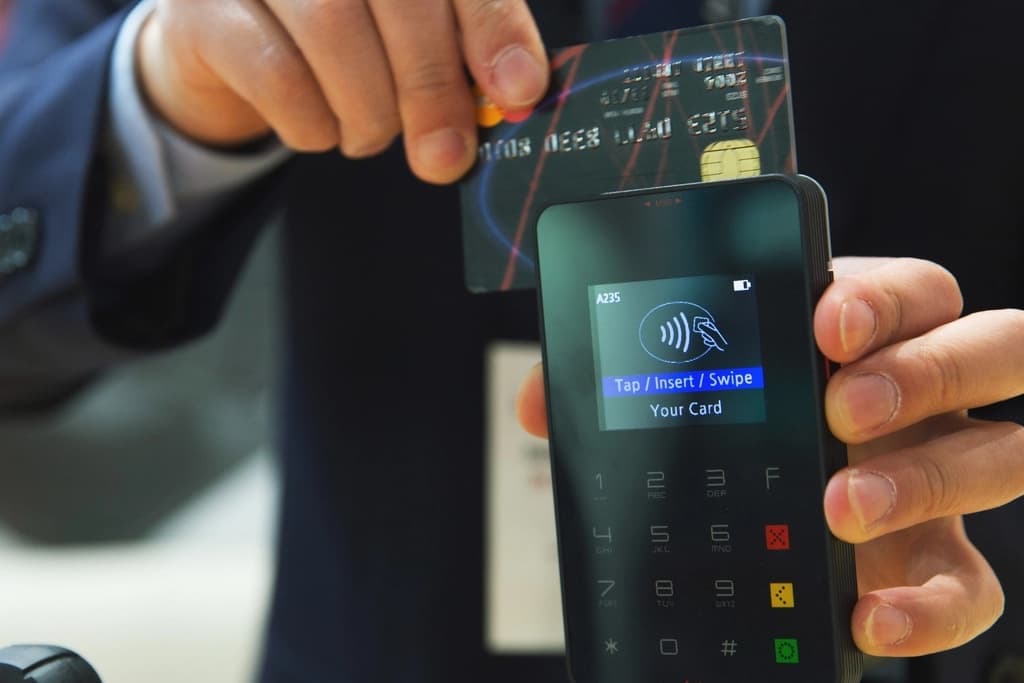
Image: Credit card payment · rawpixel · CC0 (Public Domain)
Quick answer: A chargeback can reverse a payment and get your money back after a scam, but it only exists for card payments (credit or debit), and only inside tight deadlines. If you paid a scammer by bank transfer, UPI, wire, cryptocurrency, or gift card, a chargeback almost never applies. This guide shows exactly what you can and cannot do based on how you paid, then warns you about the fake "recovery" service that preys on people who have just been scammed.
On this page
First: how did you pay?
This is the single most important question, and most guides skip it. Your recovery options are decided almost entirely by the payment method, not by how convincing the scam was.
- Credit card: Best position. You can request a chargeback, and in several countries you also have legal protections on top.
- Debit card: A chargeback is usually possible, but the money already left your account, so you are waiting for it to be returned rather than simply withholding it.
- Bank transfer, wire, or UPI (a payment you approved): Very hard to reverse. These move money directly and were "authorised" by you, even though you were tricked. There is no card-style chargeback. Report it fast anyway (some banks can attempt a recall if the money has not moved on).
- Cryptocurrency or gift cards: Effectively irreversible. Scammers ask for these precisely because there is no way to claw the money back. The US Federal Trade Commission names wire transfers, gift cards, payment apps, and crypto as the methods that offer no reversal.
If you are in the last two groups, skip to the recovery-scam warning. It is written for you, because you are the exact target of the second wave of fraud.
If you paid by card: the rules where you live
All the major card networks give cardholders roughly 120 days to dispute a charge, counted from the transaction date or the date you expected goods to arrive. On top of that network rule, your country may give you extra legal rights, or extra deadlines to watch.
United States
For credit cards, the Fair Credit Billing Act (through the CFPB's Regulation Z) lets you dispute a billing error, including goods or services you never received. The catch that traps most people: you must notify your card issuer in writing within 60 days of the statement that first showed the charge. That 60-day clock from the statement can run out before the card network's 120-day clock, so act on the statement date, not the transaction date. Your maximum liability for a fraudulent credit card charge is $50. For debit cards, different rules (Regulation E) apply and the deadlines are shorter, so report unauthorised debit charges within two business days where possible.
United Kingdom
You have two separate tools. Section 75 of the Consumer Credit Act makes your credit card provider jointly liable with the seller for purchases over £100 and up to £30,000, with up to six years to claim. It applies to credit cards only, not debit or prepaid. Separately, the chargeback scheme covers all card types for any amount but is a card-network rule, not a legal right, and runs on the 120-day window. And since 7 October 2024, UK payment firms must reimburse most victims of authorised push payment (bank transfer) fraud, up to £85,000, a protection that does not yet exist in most other countries.
India
The Reserve Bank of India's customer-protection circular gives you zero liability for an unauthorised electronic transaction if you report it to your bank within three working days, with capped liability up to seven days, and the bank must credit the disputed amount provisionally within 10 working days. But read the word carefully: this covers unauthorised transactions, meaning someone used your card or account without your knowledge. If you were tricked into approving a UPI payment yourself, this protection does not apply. UPI does have a dispute process run by NPCI (updated in February 2025), but it is built for failed or technically erroneous transactions, not for scam payments you consciously approved. This gap, authorised UPI fraud with no chargeback, is the hardest kind of loss to recover in India.
How to file a chargeback
- Contact your card issuer, not the merchant, first. Call the number on the back of your card or use your banking app, and say you want to "dispute a transaction" or "raise a chargeback".
- State the reason plainly: the goods or service never arrived, the item was not as described, or the charge was unauthorised. Use the wording that matches what happened.
- Send evidence. Order confirmations, the seller's page or ad, any messages, delivery tracking that shows non-delivery, and screenshots of the listing. The more you provide, the better your odds.
- Meet the deadline. In the US, put it in writing within 60 days of the statement. Elsewhere, aim well inside the 120-day window.
- Report the scam in parallel. File with your national cybercrime channel too. It supports the dispute and helps trace the criminals.
The trap: fake "fund recovery" scams
Here is the second wave, and it is why this article exists. After you have been scammed, someone may contact you, or you may find them online, promising to "recover" your lost money or "force a chargeback" for a fee paid up front. The FTC is blunt about this: "If you've been scammed, someone might promise to help you get your money back, if you pay in advance. That's another scam."
Remember these facts and you cannot be caught twice:
- Your bank never charges you to dispute a charge. A chargeback is free. Anyone asking for a fee, a "release payment", or "taxes" to recover your money is lying.
- No legitimate service asks for gift cards, crypto, or an advance fee. Those requests are the scam.
- Real reporting is free. Filing with the police or a national cybercrime portal costs nothing.
- Be wary of anyone who found you. Recovery scammers often target people who posted about being defrauded, sometimes posing as a government agency, a law firm, or even the original platform.
This layer is large. Tech-support and refund scams, the family these recovery cons belong to, drove about $1.46 billion in reported US losses in 2024 according to the FBI's IC3 annual report. Do not become a second entry in that number.
Honest odds
A chargeback is worth trying whenever you qualify, but treat it as a claim, not a guarantee. It works best when you paid by card, acted quickly, and can show clear evidence that goods never arrived or the charge was not yours. It works poorly, or not at all, when the seller responds with their own paperwork, when you approved the payment yourself, or when the deadline has passed. There is no reliable public figure for how often scam victims win, so be cautious of anyone who promises a specific success rate. File a clean, well-evidenced dispute and let it run.
Frequently asked questions
Can I get a chargeback on a bank transfer or UPI payment? Generally no. Those are not card payments and, if you approved them, they are treated as authorised. Report it immediately anyway, as a fast bank recall is occasionally possible before the money moves on.
What is the difference between a refund and a chargeback? A refund is money the seller chooses to return. A chargeback is a forced reversal your card issuer performs against the seller when you dispute the charge.
How long do I have? Around 120 days from the transaction under card-network rules. In the US, also within 60 days of the statement for the legal protection. Sooner is always safer.
Someone offered to recover my money for a fee. Is that real? No. Disputes are free through your bank, and legitimate help never asks for an advance fee, gift cards, or crypto. It is a second scam.
I paid by gift card or crypto. Is anything recoverable? Rarely. Report it to the card brand (for gift cards) and to the authorities quickly, but set expectations low, and do not pay anyone who promises recovery.
Sources
- US Federal Trade Commission: "What To Do if You Were Scammed" and "Refund and Recovery Scams" (consumer.ftc.gov).
- FTC, "New FTC Data Show a Big Jump in Reported Losses to Fraud to $12.5 Billion in 2024" (March 2025).
- CFPB Regulation Z, § 1026.13 (Billing error resolution / Fair Credit Billing Act).
- FBI Internet Crime Complaint Center (IC3), 2024 Annual Report (tech-support fraud losses).
- UK Finance and MoneyHelper: Section 75 and chargeback; Payment Systems Regulator APP fraud reimbursement (in force 7 October 2024).
- Reserve Bank of India, "Customer Protection: Limiting Liability of Customers in Unauthorised Electronic Banking Transactions" (2017); NPCI UPI Dispute Redressal Mechanism.
- Sift Q4 2025 Digital Trust Index (global chargeback losses, citing Mastercard / Datos Insights).
If you have been scammed, you are not alone, and you do not have to pay anyone to get help. See our country-by-country cybercrime help hub for how to report and recover, step by step.