Bank Froze or Held Your Money "for a Fraud Investigation"? Your Rights
A US bank can hold funds it suspects are tied to fraud, often without warning, but not indefinitely without explanation. How to get answers and escalate to the CFPB.
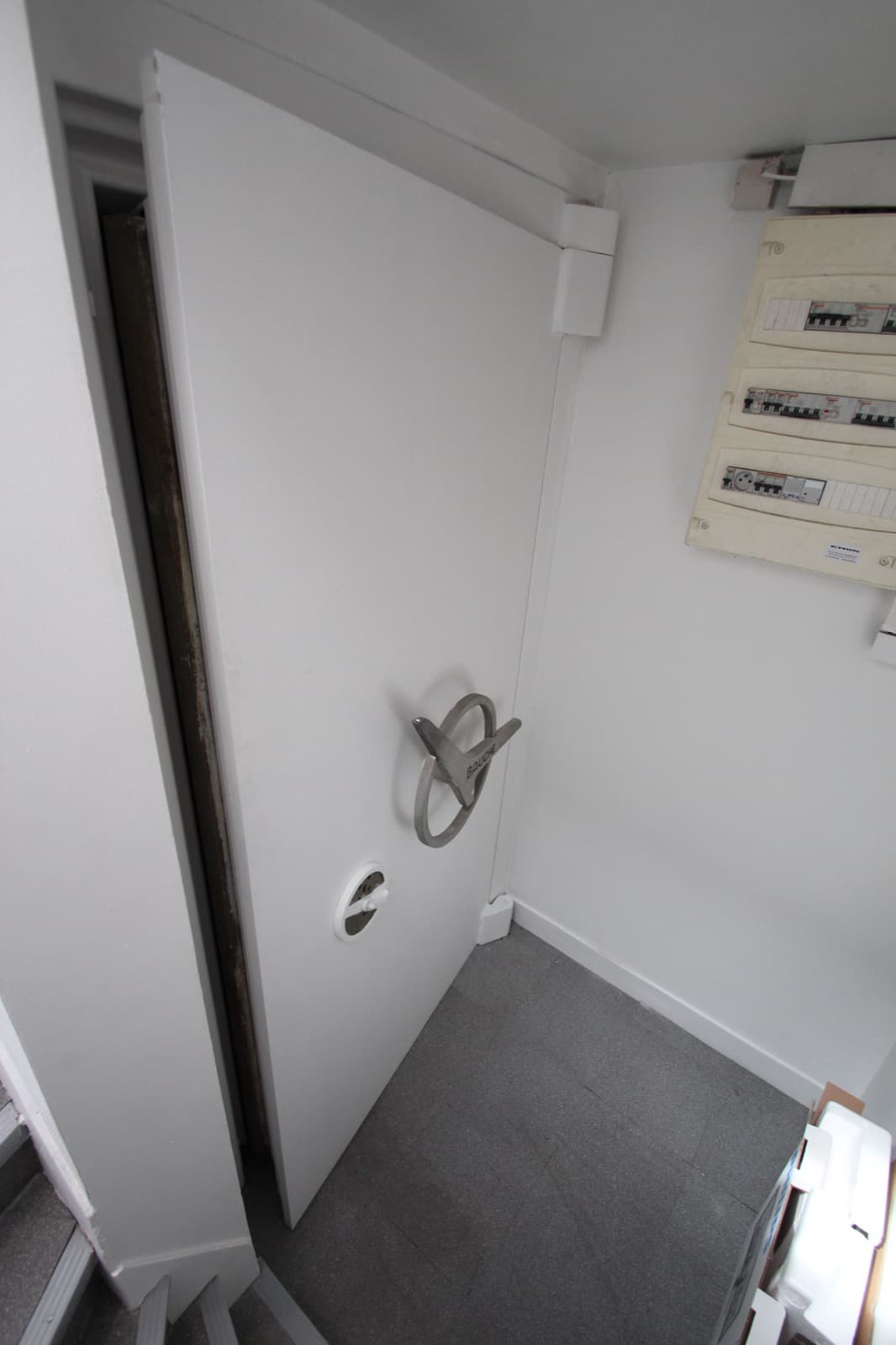
Image: a reinforced bank vault door · Credit: Lionel Allorge · CC BY-SA 3.0 · source
Quick answer: A US bank can temporarily hold or freeze funds it suspects are connected to fraud, often without notifying you in advance, but it cannot keep your account frozen indefinitely without explanation. Ask the bank in writing for the specific reason and how long the hold will last, file a written complaint if you get no clear answer, and escalate to the Consumer Financial Protection Bureau (CFPB) if the bank will not resolve it.
Being locked out of your own money is stressful, especially if you did nothing wrong and simply received a payment that later turned out to be tied to fraud. Banks do have the authority to hold funds during a fraud investigation, but that authority is not unlimited, and you have real options if the hold drags on.
Why banks freeze or hold accounts
- Your account received funds linked to a reported fraud (you may be an innocent recipient, sometimes called a "mule" account without your knowledge).
- Unusual activity triggered an automated fraud flag, such as a large or out-of-pattern transaction.
- The bank is complying with a legal process such as a subpoena or law-enforcement request.
Banks are generally not required to notify you before freezing funds suspected of fraud, and reviews commonly take days to a few weeks, though there is no single fixed legal deadline that covers every situation.
What to do if your account is frozen
- Call the bank and ask directly: what triggered the hold, what documentation they need from you, and an expected timeline.
- Ask for it in writing. A written explanation gives you something to escalate with if the hold continues unresolved.
- Provide any documentation requested promptly, such as proof of the source of funds or your identity, to speed up the review.
- If the bank is unresponsive or the hold seems excessive, file a complaint with the Consumer Financial Protection Bureau at consumerfinance.gov, which is free and creates a formal record the bank must respond to.
- If you believe you are an unknowing victim of a mule-account scheme, say so clearly and consider filing your own report at ic3.gov, since you may also be a fraud victim.
Frequently asked questions
Can a bank freeze my account without telling me first? Yes, banks can place holds while investigating suspected fraud, often without advance notice.
How long can a fraud hold last? There is no single fixed deadline, but legitimate reviews typically resolve within days to a few weeks. A hold with no explanation for months is worth escalating.
What if I never did anything wrong? You may be an innocent recipient of funds connected to someone else's fraud. Explain this clearly, provide documentation, and consider filing your own report if you believe you were used without your knowledge.
Where do I complain if the bank won't help? File a free complaint with the Consumer Financial Protection Bureau at consumerfinance.gov.
Should I close the account instead? Talk to the bank first; closing an account under investigation can sometimes complicate resolving the hold. Get clarity before taking that step.
If your account has been frozen or you are caught up in a scam, you are not alone. See our cybercrime help hub for step-by-step reporting and recovery guides.