The Stranger Who Texts 'Hi' Then Offers You Riches: How Pig-Butchering Scams Drain Life Savings
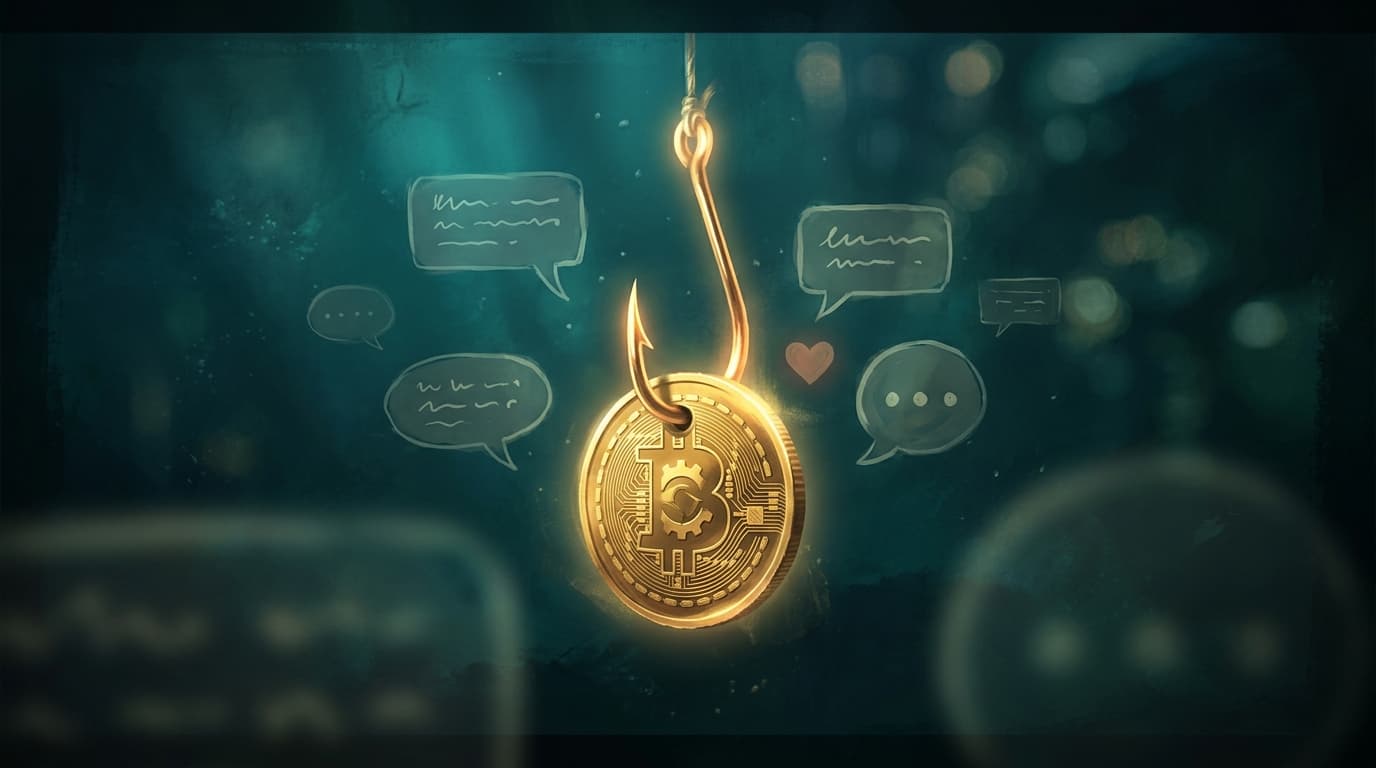
Pig-butchering scams mix fake romance with crypto investing to drain victims over months, costing Americans 8.7 billion dollars in 2025. The red flags to know.
It often starts with a single word. A text from an unknown number that just says "Hi," or a friendly message from an attractive stranger on a dating app or WhatsApp who insists they reached the wrong person. It feels harmless. It is the opening move of one of the most devastating financial frauds of the decade, known as pig butchering.
What pig butchering is
The name comes from a Chinese phrase, shazhupan, that describes fattening a pig before slaughter. The scammer spends weeks or months fattening the victim with attention and affection before taking everything. It blends a romance scam with an investment scam, and it is patient by design. In 2025, investment frauds of this kind cost Americans nearly 8.7 billion dollars, according to the FBI, with individual victims losing tens of thousands and sometimes more than a million dollars.
How the trap is built
After the first contact, the stranger becomes a constant, caring presence. They share photos, talk about their day, and slowly build a relationship. Then, casually, money comes up. They mention how well they are doing with cryptocurrency trading and offer to teach you. They guide you to a slick trading app or website that looks completely legitimate. Your first small investment shows a quick profit, and you are even allowed to withdraw a little, which removes your doubt.
That platform is fake, controlled entirely by the scammers. The balances and gains are just numbers on a screen. The moment you try to withdraw a large amount, you are told you must first pay a fee or a tax. You pay, and another fee appears. Eventually the person and the money vanish.
The red flags, in plain terms
- A stranger contacts you out of nowhere, often a "wrong number" text or a too-good-to-be-true match online.
- The relationship moves fast and turns affectionate quickly, but they can never meet in person or appear on a live video call.
- They steer the conversation toward crypto or forex trading and promise large, steady returns, often 20 to 40 percent.
- You are sent to a trading platform you had never heard of, purely on their recommendation.
- You can deposit easily but hit fees, taxes or verification charges the moment you try to withdraw.
- They encourage you to keep the investment secret from family and friends.
How to stay safe
- Never invest on the advice of someone you have only met online. This single rule stops most pig-butchering losses.
- Do not engage with "wrong number" texts. Delete them. Replying only tells the scammer your number is active.
- Treat guaranteed or unusually high returns as a scam. Real investing carries risk; promises of sure profits do not.
- Tell someone. Scammers rely on secrecy and isolation. A quick word with a family member often breaks the spell.
- If you are already in, stop paying. No further fee will release your money. Save all chats and report it to your national cybercrime helpline or police.
Anyone can be targeted, regardless of age or education. The defence is not being clever. It is being slow, sceptical, and willing to ask a friend before you send a single rupee or dollar.