Quantum Sensing Technologies Introduce New Cyber Risks for Australian Organisations
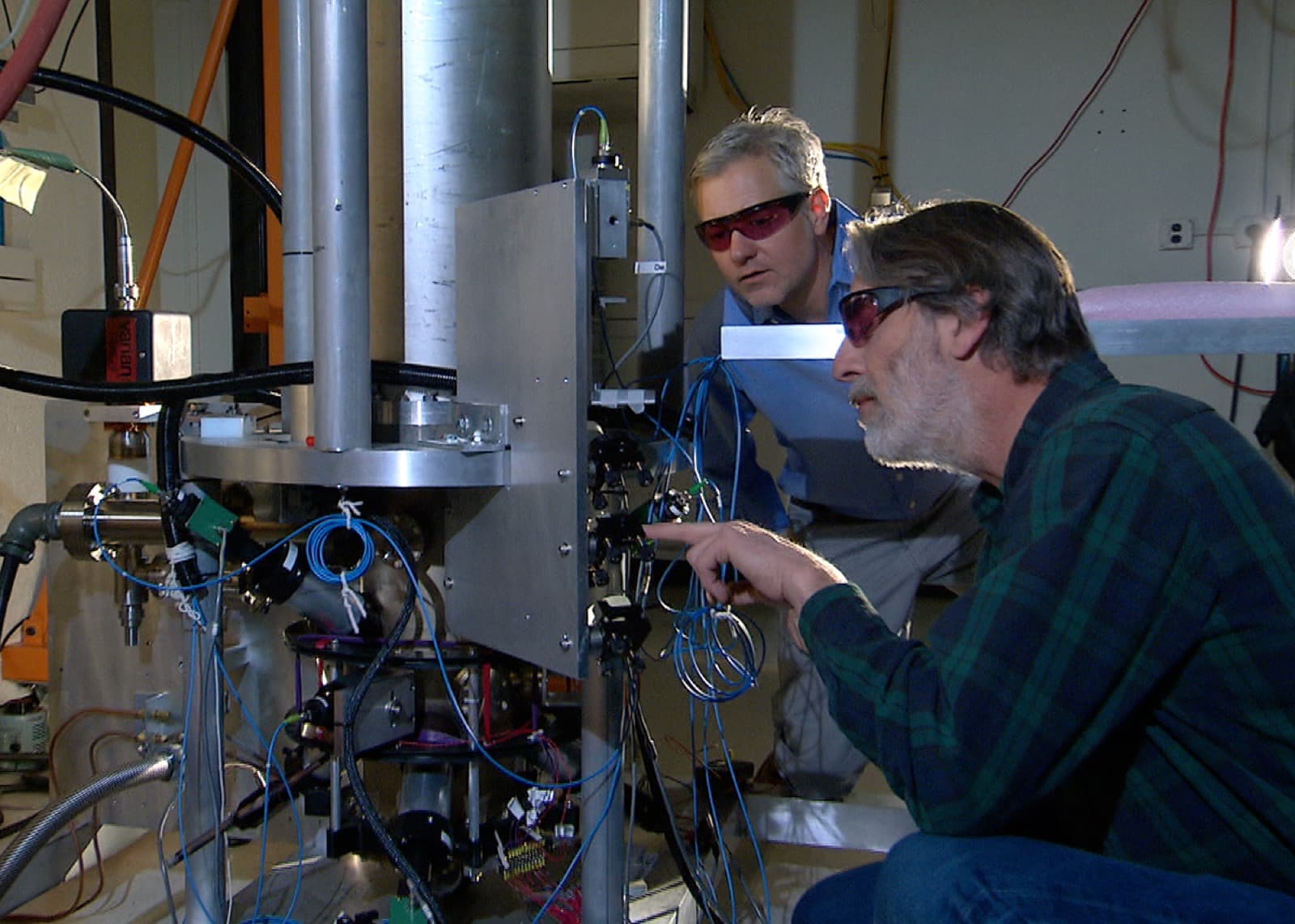
ASD and ACSC primer warns leaders to guard against sensor tampering, data spoofing and supply-chain threats as precision quantum devices move into real-world use — and offers lessons the world can learn
Canberra | 24 June 2026
Australian cyber security authorities have released targeted new guidance alerting organisations to the emerging vulnerabilities created by quantum sensing technologies. The Quantum technology primer: Sensing, published by the Australian Signals Directorate (ASD) and the Australian Cyber Security Centre (ACSC), is the latest instalment in the government's quantum technology series for cyber security leaders.
It makes clear that while these ultra-sensitive devices promise major advances in navigation, resource exploration, defence and telecommunications, they also create fresh attack surfaces that must be managed now.
On this page
At a glance
What quantum sensing delivers, and why it matters
Quantum sensors exploit phenomena such as superposition, entanglement and shifts in atomic energy levels to deliver measurements of time, gravity, magnetic fields and pressure with unprecedented precision.
Industries including mining are already trialling the technology for subsurface imaging and resource detection. In defence and critical infrastructure, quantum sensors offer reliable positioning and timing when GPS is unavailable or jammed, a capability with obvious strategic value.
Yet the same extreme sensitivity that makes these sensors powerful also makes them attractive targets.
Four key cyber security risks
The primer identifies four principal areas of concern that organisations must factor into their planning and risk posture.
| Risk | What it means, and how to manage it |
|---|---|
| Sensor integrity and tampering | Quantum sensors are highly sensitive to external noise, and it can be hard to restrict inputs to intended use cases. Deployment locations, especially in high-risk or remote environments, need robust physical security, access controls and ongoing monitoring. |
| Data authenticity and spoofing | Like conventional sensors, quantum devices can be spoofed. Attackers may mimic legitimate signals or inject noise to manipulate outputs and the decisions based on them. The primer recommends secure signal validation, cryptographic authentication where feasible, and anomaly detection. |
| Supply chain risks | Specialised materials, hardware and firmware introduce new exposure points; counterfeit parts, malicious implants or tampering in manufacture or transit are realistic concerns. Demand hardware provenance, digital attestation, secure boot and evidence of secure development from vendors, with full supply-chain transparency. |
| Software and firmware vulnerabilities | Quantum sensing platforms depend on software and firmware that may contain exploitable weaknesses. Secure-by-design development, regular patching, vulnerability assessments and rigorous configuration management remain essential. |
What cyber security leaders should do now
The ASD and ACSC recommend that organisations:
- Monitor the field. Track quantum sensing developments relevant to your sector.
- Assess your own deployments. Conduct specific risk assessments for any planned or existing quantum sensor deployments.
- Apply layered controls. Cover physical security, data integrity, supply-chain assurance and software hygiene together, not in isolation.
- Engage vendors early. Set security requirements and demand transparency from the outset, rather than retrofitting controls later.
Why it matters globally
Australia's decision to publish clear, practical guidance specifically for cyber security leaders, rather than leaving the issue to technical specialists or waiting for incidents, offers several lessons for governments and organisations worldwide.
- Early, targeted awareness works. Framing quantum sensing as both an opportunity and a cyber risk in plain language for decision-makers bridges the gap between emerging physics and board-level risk management.
- Treat quantum sensing as operational technology (OT). The disciplined approach already used for industrial control systems, layered defences, supply-chain scrutiny, integrity checking and regular patching, is a ready-made framework to adapt rather than invent.
- Supply chain and data authenticity are universal weak points. Nations and companies investing in quantum sensors should demand provenance, attestation and vendor transparency from the outset.
- Accessible public guidance raises the global baseline. Other countries developing quantum strategies can draw on Australia's model of concise, sector-relevant primers that empower organisations to act before threats materialise.
- Apply a cyber lens from day one. As quantum sensing moves from laboratories into critical infrastructure, defence and commercial use, those who integrate security early will capture the benefits without creating new systemic vulnerabilities.
Frequently asked questions
What is quantum sensing? The use of quantum effects (superposition, entanglement, atomic energy-level shifts) to measure time, gravity, magnetic fields and pressure with extreme precision, used in navigation, mining, defence and telecommunications.
Why is it a cyber security issue? The same sensitivity that makes these sensors powerful makes them attractive targets for tampering, spoofing, supply-chain compromise and software exploitation.
What should organisations do first? Monitor developments in their sector, run risk assessments on any quantum sensor deployments, apply layered controls, and set security requirements with vendors early.
Where is the guidance available? Free at cyber.gov.au/quantum, part of a series that also covers quantum computing and communications.
For boards and executives worldwide, the message is clear: quantum sensing is moving from research laboratories into operational environments faster than many realise. Australia's proactive, lessons-focused guidance shows that preparing now is both possible and necessary, and the organisations and nations that take its cyber security implications seriously today will be best placed to capture the benefits without introducing unacceptable new risks.
Source: Australian Signals Directorate (ASD) and Australian Cyber Security Centre (ACSC), Quantum technology primer: Sensing, available at cyber.gov.au/quantum.