Pakistan- and Canada-Based Scammers Used AI-Generated Fake Passports to Open Canadian Mule Bank Accounts, NCCIA Lahore Says
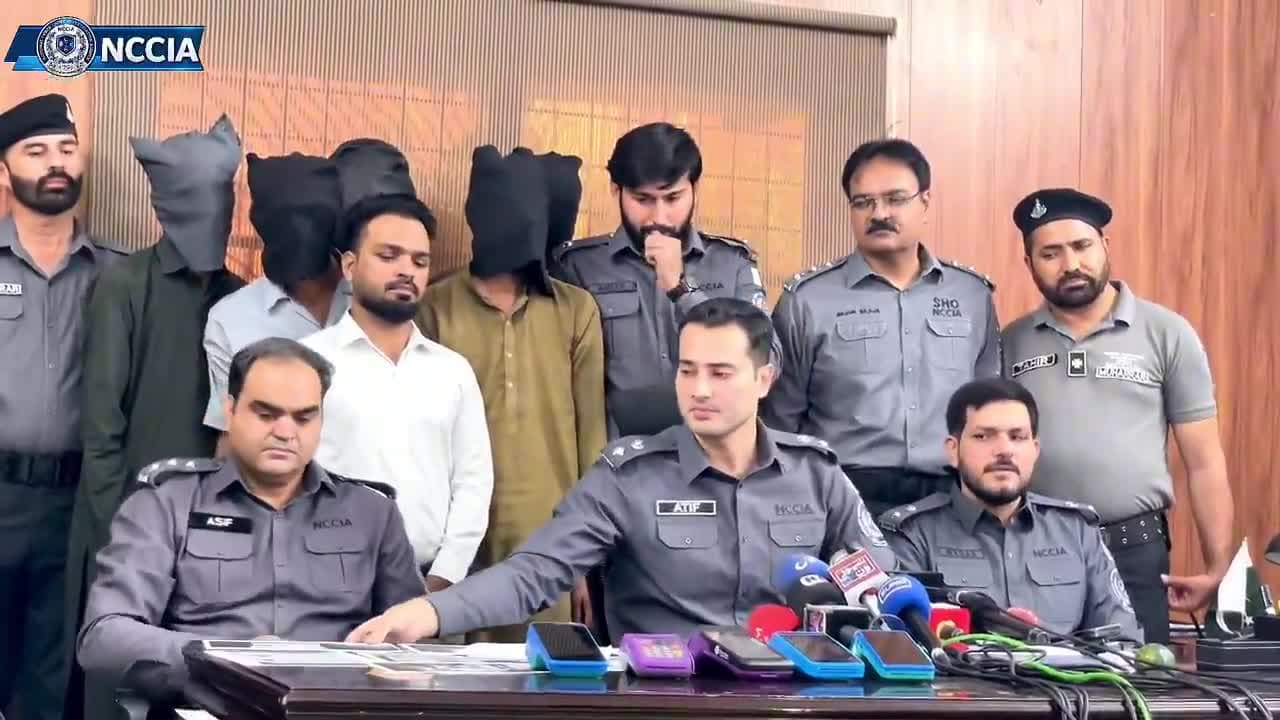
Pakistan's NCCIA Lahore says it has busted a cross-border synthetic identity fraud ring. Three suspects in Pakistan used AI-generated fake passports and photos, made by four Canada-based partners, to open accounts at major Canadian banks online. They got past photo verification with an anti-detect browser and ordered credit cards, which were delivered in Canada and maxed out before being dumped.
Pakistan's National Cyber Crime Investigation Agency (NCCIA) in Lahore says it has broken up an international fraud ring that used AI-generated fake passports to open bank accounts at major Canadian banks, operating from inside Pakistan.
Announcing the case at a press conference on 19 October 2026, NCCIA Lahore Additional Director Atif Amir said three Pakistani suspects worked with four partners based in Canada, whom he described as Indian nationals.
The Accused
According to NCCIA, the network included:
- In Pakistan: Subhan Butt, Gulrez Butt and Muhammad Noman
- In Canada: Deep Singh, Parjeet Singh, Harpreet Singh and Gurleen Singh
The names are spelled as heard in the Urdu press conference and may differ in official records. NCCIA did not give ages, parentage or cities, and did not say whether the Canada-based suspects have been charged or detained in Canada.
How the Accounts Were Created
NCCIA describes the scheme as synthetic identity fraud: real personal data, such as identity numbers and dates of birth, mixed with fake documents to create a new "person" who doesn't exist.
1. Fake passports and photos: the Canada-based suspects made AI-generated fake passports and portrait photos and sent them to the three suspects in Pakistan. Officials held up a printout of one at the press conference. 2. Remote account opening: from Pakistan, the suspects used these documents to open accounts online with what NCCIA called "very famous Canadian banks", which it did not name. 3. Beating photo verification: when the bank's onboarding asked for photo verification, the suspects used Dolphin Anty, an anti-detect browser that disguises the user's device and location, to get the AI-generated photos accepted. 4. Credit card bust-out: once an account was open, they ordered a credit card, which was delivered to the partners in Canada. The partners used up the full credit limit and then threw the cards away.
The fraud came to light when the banks investigated the losses and found the account holders were synthetic identities.
Weaknesses in Account Opening
The case shows several gaps in remote, fully online account opening:
- Photo checks that can't spot AI images: verification that compares a document photo with a submitted picture doesn't work when both are AI-generated. Banks need live checks, such as a real-time selfie video with movement prompts, that a still image can't pass.
- Blind spots on devices and location: anti-detect browsers let applicants hide that they are applying from another country. Onboarding should check for spoofed browser fingerprints, VPNs and mismatches between the device's location and the claimed address.
- Weak document checks: a printed or uploaded passport image can't be verified on its own. Banks should check passports electronically against official records wherever they can.
- Real data, fake person: synthetic identities pass checks because part of the data is real. Banks should check that the name, identity number, date of birth and address all belong to the same real person.
- Credit too fast: issuing a credit card soon after a remote account opening, with delivery to a new address, gives fraudsters a quick payout. Lower first limits, waiting periods and address checks reduce the losses.
A Cross-Border Model
The case shows how fraud rings now split the work across countries: document forgers and card cashers in one country, account openers in another, and targets in a third. NCCIA said it had been tracking the network for some time before the arrests.