India's Cyber-Fraud Fightback: ₹7,130 Crore Saved in 2025
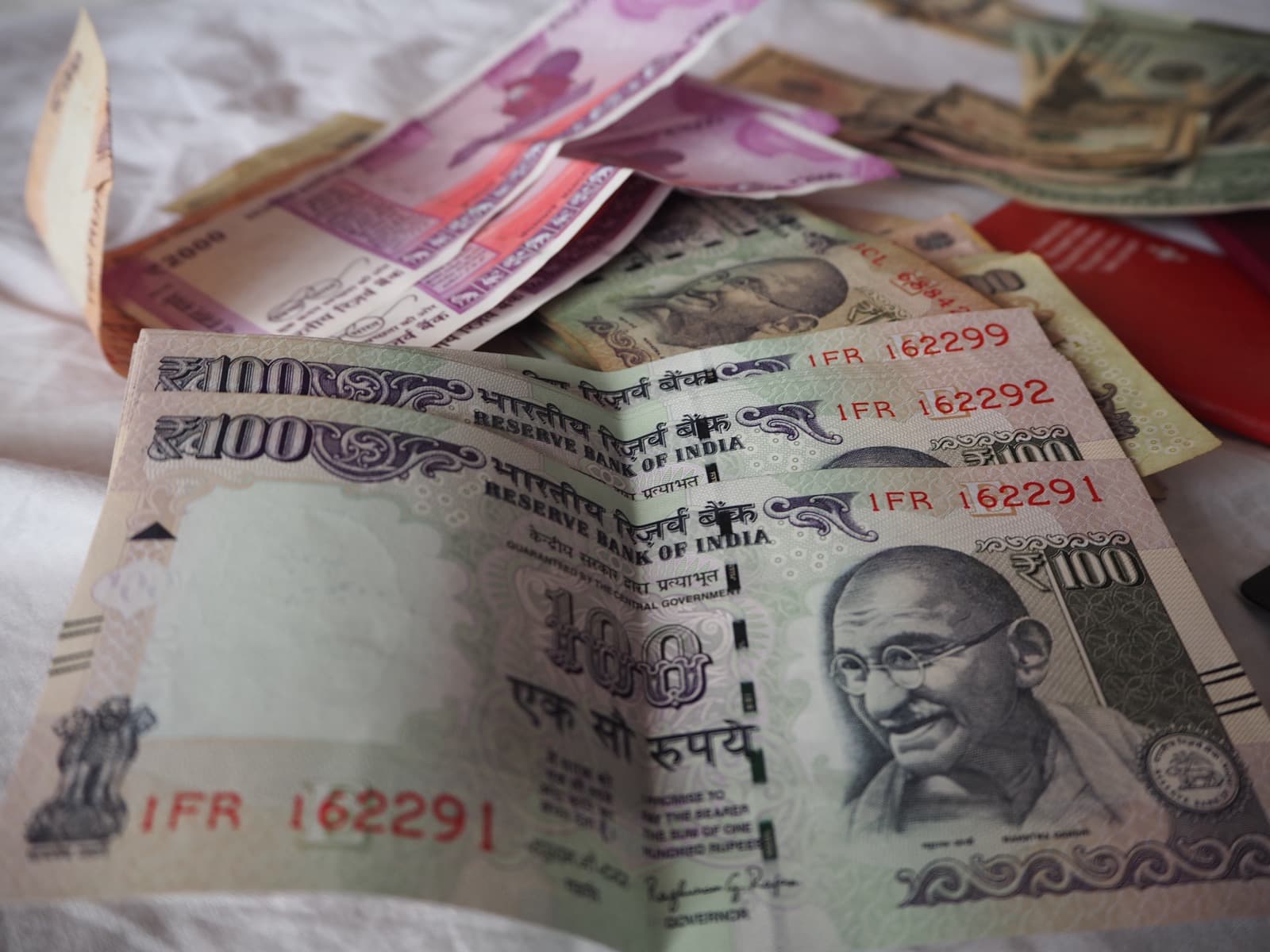
India's coordinated cyber-fraud response scaled sharply in 2025 - the I4C-run 1930 system saved over Rs 7,130 crore for citizens and blocked Rs 8,031 crore in fraudulent transfers.
The quick version: In 2025, India's national cyber-fraud response showed real muscle. The Indian Cybercrime Coordination Centre (I4C) and its 1930 helpline have saved more than ₹7,130 crore for citizens across 23.02 lakh complaints and blocked fraudulent transfers worth over ₹8,031 crore — one of the most active state-run victim-recovery systems anywhere in the world.
The figures, from the Ministry of Home Affairs and I4C, show a country that has moved from reacting to cyber fraud to systematically intercepting it. As the threat has grown globally, India has built the rails to fight back at national scale.
A response system that is scaling fast
The heart of it is the Citizen Financial Cyber Fraud Reporting and Management System (CFCFRMS), wired to the 1930 helpline now running across every state and union territory. When a victim reports quickly, the system can trace and freeze the money downstream before it is cashed out — the "golden hour" advantage. I4C has gone further, partnering with the Reserve Bank Innovation Hub on MuleHunter.ai to flag the mule accounts that launder stolen funds, and pairing the National Cybercrime Reporting Portal with bank and platform takedowns.
More reports is partly a good sign
India logged about 28.15 lakh cybercrime complaints in 2025, up from 22.68 lakh a year earlier. Part of that rise reflects something positive: far more citizens now know where to turn. The 1930 number and cybercrime.gov.in have become household references, so incidents that once went unreported are now entering a system that can act on them — and feed intelligence back to investigators.
What Indians are reporting
Knowing the playbook helps everyone stay ahead of it. Investment and trading scams — fake apps and "tip" groups promising quick returns — drove the majority of financial losses. Two manipulation-based frauds are the ones to watch: "digital arrest" calls, where fraudsters impersonate police to intimidate victims over video, and sextortion. None of these survive a simple rule: no real agency arrests you over a video call or asks for money to "clear your name."
Tackling a borderless crime head-on
Cyber fraud is built to dodge jurisdiction — a victim in one state, a mule account in another, an operator often overseas. India's answer has been to centralise the response through I4C rather than leave each case to a single local station, coordinating across states, banks and platforms. It is exactly the model that countries with falling losses have leaned on, and India is building it at a scale few can match.
How to use the system
Two references are worth saving: 1930 and cybercrime.gov.in. If money has left your account, reporting within the hour gives the recovery system its best chance to freeze it. Treat any unsolicited "investment opportunity," "parcel held by customs," or "your number is in a case" call as a scam until proven otherwise.
Frequently asked questions
How much money did India's system save victims in 2025? Over ₹7,130 crore through the CFCFRMS/1930 system, with more than ₹8,031 crore in fraudulent transfers blocked.
What number do I call to report cyber fraud in India? The national helpline 1930, or report online at cybercrime.gov.in.
What is a digital arrest scam? A fraud where callers impersonate police or agencies and stage fake video "arrests" to extort money. It is not a real legal procedure.