Got a Code on Your Phone You Didn't Ask For? Here's What to Do
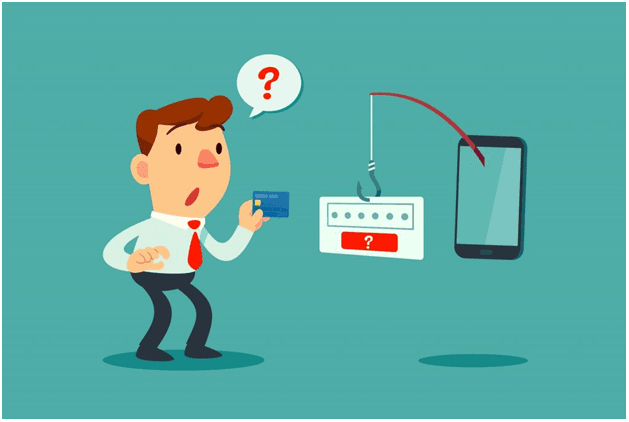
A message pops up: "Your code is 482917." You didn't ask for it. So what's going on, and should you worry? Here's the simple answer: someone is trying to log into one of your accounts, and your phone just received the security code that's stopping them. They probably know your password. The code is the wall they can't get past, as long as you don't share it. Stay calm. You're not too late.
When you log into your email, bank, WhatsApp, or Instagram, the website sends a short code to your phone to make sure it's really you. No code, no login.
If a code arrives without you doing anything, it means someone else tried to log into your account using your password. The site sent the code to your phone, not theirs, so the login failed.
How did they get your password? Usually from an old leak on some other website where you used the same password.
Do this right now:
- Don't tell anyone the code. Not by phone. Not by text. Not even if they say they're from your bank or Amazon. Real companies never ask for these codes.
- Don't tap any link that came with the code.
- Change your password for that account. Do it now, from a phone or computer you trust. Use a new password you've never used anywhere else.
- If you keep getting codes one after another, change the password right away, someone is actively trying to break in.
- Be careful: phone scam version
Sometimes a code arrives, and then a stranger calls you, sounding like a helpful person from your bank, courier, or even the police. They say something like: "There's been suspicious activity on your account. To verify it's you, please read me the code we just sent."
That's the scam. They asked the website to send the code. They are tricking you into reading it out so they can finish logging into your account.
Hang up. Never read out a code to anyone, ever.
Should I worry if I didn't share it?
No. If the code stayed on your phone and you didn't tell anyone, the person trying to log in failed. Just change that account's password so they can't try again.
Where to report it:
If you've already lost money or someone has taken over your account:
- 1. India: call 1930 or report at cybercrime.gov.in
- 2. US: reportfraud.ftc.gov
- 3. UK: Action Fraud
- 4. Australia: Scamwatch
- 5. Canada: Canadian Anti-Fraud Centre
Quick questions people ask:
Does this mean I've been hacked? Not yet. It means someone is trying to get in. As long as you don't share the code, they can't.
Why am I getting these codes? Your password was probably leaked in some old website hack. Change it to a new one and they'll stop.
The message says "It wasn't me, tap here." Should I tap it? Yes, if it's from a real service like Google, Apple, or Microsoft. That button is genuine and helps protect your account.
Can someone steal my money just by sending me a code? No. The code alone does nothing. The danger is only if you read it out to someone or type it into a fake website.