Digital Ekadashi Alerts: How Scammers Are Exploiting Religious Apps for Financial Fraud
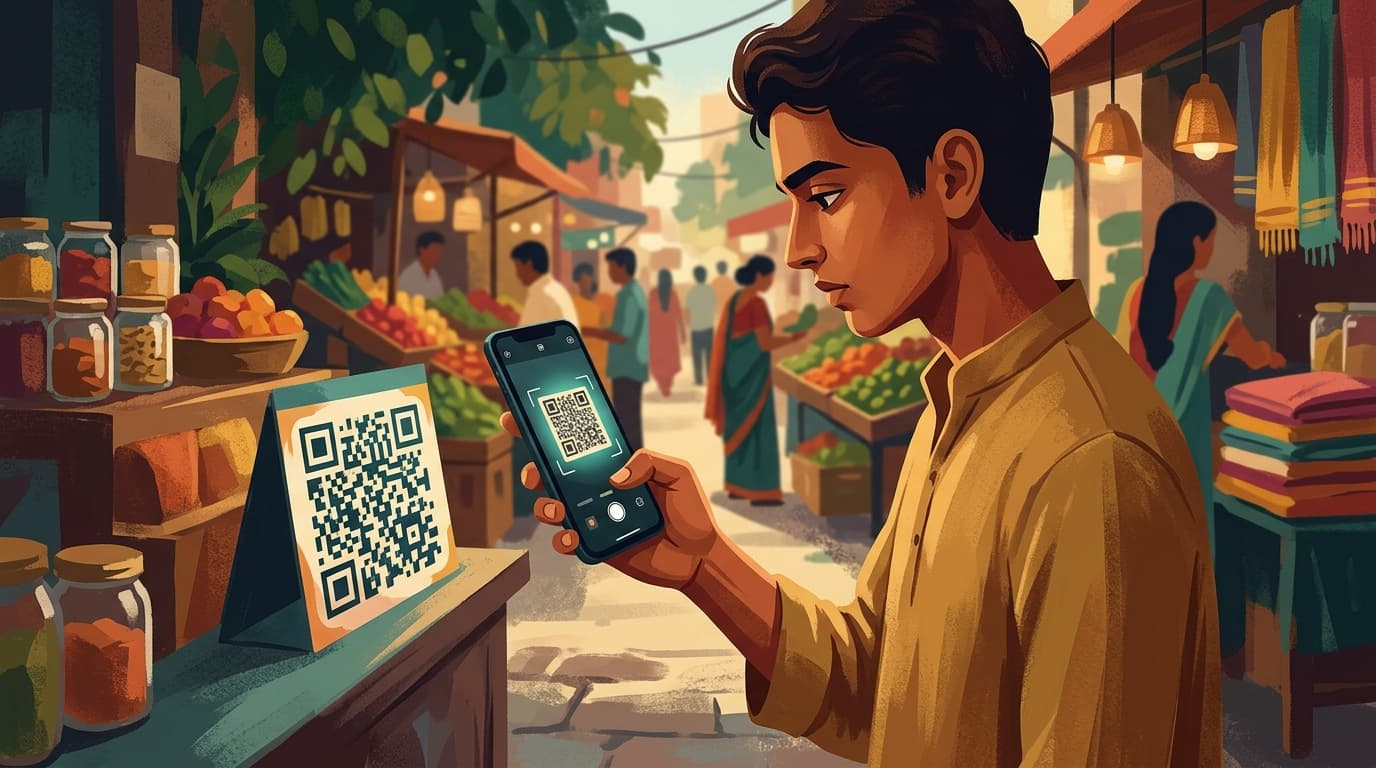
On auspicious days, devotional apps, darshan bookings and donations surge, and so does fraud. Drawing on India's I4C advisory for pilgrims, here are the documented scam patterns, the red flags, and how to give and book safely.
On Ekadashi and other auspicious days, millions of Indians turn to their phones to book a darshan, send a donation, order prasad, or join a live aarti. That surge of devotional activity, and the goodwill and urgency that come with it, is exactly what cyber fraudsters are learning to exploit. India's own cybercrime agency has already flagged a fast-growing wave of fraud aimed at the faithful, and the devotional-app boom gives criminals a new doorway.
On this page
At a glance
The Indian Cyber Crime Coordination Centre (I4C), under the Ministry of Home Affairs, has issued a public alert about online booking frauds targeting pilgrims and tourists. The same techniques, fake websites, sponsored ads, cloned social-media and WhatsApp accounts, and forged payment requests, map directly onto the devotional apps and donation drives that peak on days like Ekadashi.
Why devotional moments are a fraud magnet
Fraud thrives where money, emotion, and urgency meet. Auspicious days concentrate all three:
| Factor | Why it helps the scammer |
|---|---|
| Seasonal surge | Darshan bookings, donations, and puja services spike on specific dates, so a fake offer blends into a flood of genuine ones. |
| Goodwill | People give generously and quickly, and are less likely to scrutinise a "temple trust" or "seva" request. |
| Urgency | "VIP darshan today only" or "last slots" pressure pushes a payment before verification. |
| Trust in faith brands | A logo of a famous temple or trust lowers a victim's guard. |
What I4C has officially flagged
In its advisory on online booking frauds targeting pilgrims and tourists (April 2025), I4C warned that criminals operate through "fake websites, deceptive social media pages, Facebook posts, and paid advertisements on search engines like Google," using professional-looking but fake websites, social-media profiles, and WhatsApp accounts.
The services they impersonate include:
- Helicopter bookings for Kedarnath and Char Dham travel
- Guest house, hotel, and cab bookings for pilgrims
- Holiday packages and religious tours
I4C urged citizens to verify a website's authenticity before paying, to avoid clicking sponsored or unknown links on Google, Facebook, or WhatsApp, and to cross-check bookings only through official government portals or trusted travel agencies. It cited examples such as Somnath Trust guest houses, which should be booked only through the trust's official website, and Kedarnath helicopter tickets, which are sold only through the official portal heliyatra.irctc.co.in. Be especially wary of implausibly attractive pitches, the "VIP darshan" or "free / guaranteed helicopter" style offers that recur in these scams.
The scam playbook
Across devotional contexts, the same handful of techniques recur. Recognising them is the best defence.
1. Fake darshan and booking pages
Cloned websites and sponsored search/social ads mimic temple trusts or travel services, take a "booking fee" or "VIP darshan" payment over UPI, and vanish. Some operate convincing WhatsApp "support" numbers to handle queries and build confidence before the payment.
2. Donation and charity-drive fraud
Fraudsters float fake "temple trust", "seva", or relief-fund appeals, often timed to a festival, with an emotional message and a UPI ID or QR code. Consumer-protection guidance warns that such appeals may also dangle a tax-exemption (80G) benefit or send an official-looking receipt to feel legitimate. A receipt cannot be trusted after the fact, so it is safer to verify a trust's registration and 80G status on the Income Tax Department's official records before giving.
3. Fake or over-permissioned "devotional" apps
Apps promising live darshan, panchang and Ekadashi alerts, e-puja, or prasad delivery can be vehicles for harm when they are unofficial clones or demand excessive permissions. Risks include theft of contacts and messages, interception of OTPs, and in the worst cases a malicious APK installed from outside an official app store that compromises the device.
4. Festival-themed phishing and fake offers
Messages offering free prasad, "blessed" gifts, lucky-draw rewards, or cashback for a small "registration" payment harvest card details, UPI PINs, or OTPs, or push the victim onto a remote-access app.
Red flags
- An offer reached you through a sponsored ad, forwarded link, or WhatsApp message rather than a known official portal.
- "VIP darshan", "guaranteed tickets", or "free" religious services that demand an upfront UPI payment.
- A donation request that pressures you to pay immediately and promises an instant 80G certificate.
- A "devotional" app asked you to install it from a link outside the official app store, or demanded access to SMS, contacts, or accessibility settings.
- You are asked to share an OTP, UPI PIN, or card details, or to "approve" a collect request to receive money. Receiving money never needs your PIN.
How to stay safe
- Start from the official source, not a search ad. Type the temple trust or service's official website yourself, or use the government portal (for example, heliyatra.irctc.co.in for Kedarnath helicopter tickets). Do not click sponsored or forwarded links.
- Verify a charity before you give. Confirm the trust's registration and 80G status on official records before donating, and be wary of QR codes or UPI IDs shared in unsolicited messages. A genuine receipt can be cross-checked; a forged one cannot.
- Install apps only from official stores, and check permissions. Review the developer name and ratings, and refuse a "puja" or "darshan" app that wants SMS, contacts, or accessibility access it does not need. Never sideload an APK sent over WhatsApp.
- Never share an OTP, UPI PIN, or card CVV. No temple, trust, or booking service needs them, and you never enter a PIN to receive money.
- Slow down. Urgency is the scammer's main tool. Verify by an official phone number or in person before paying on an auspicious-day deadline.
How to report
If you have paid a fraudster or shared sensitive details, act within the first hour. Call the national cybercrime helpline 1930 or file a complaint at cybercrime.gov.in. Quick reporting gives banks the best chance of freezing the transferred money.
Preserve the evidence: the advertisement or message, the website or app link, the UPI ID or QR code, screenshots, and the transaction reference. For a step-by-step walkthrough of filing the complaint and recovering funds in India, see our guide: How to Report Cybercrime in India (and Get Your Money Back).
Frequently asked questions
Are religious apps themselves unsafe? Most official apps are fine. The risk is unofficial clones, apps that demand excessive permissions, and APKs installed from outside official app stores. Stick to verified publishers.
How do I book Kedarnath helicopter tickets safely? Only through the official portal heliyatra.irctc.co.in. I4C has warned that "guaranteed" or "free" helicopter offers circulating on ads and WhatsApp are fraud.
How can I tell a real temple donation drive from a fake one? Donate only through a trust's verified official channel, confirm its registration and 80G status from official records, and treat unsolicited QR codes or UPI IDs with caution.
Someone sent a UPI "collect request" for a refund or prasad. Is that safe? No. Approving a collect request sends money out; you never need to approve anything or enter a PIN to receive funds.
Where do I report it? Call 1930 or file at cybercrime.gov.in, as fast as possible.
Sources: Indian Cyber Crime Coordination Centre (I4C), Ministry of Home Affairs, advisory on online booking frauds targeting pilgrims and tourists, dated 19 April 2025 (PIB PRID 2122832), as carried by News On Air (Prasar Bharati); National Cybercrime Reporting Portal (cybercrime.gov.in) and helpline 1930; official Kedarnath helicopter portal heliyatra.irctc.co.in. Donation-safety guidance is general consumer-protection advice; verify a charity's registration and 80G status with the Income Tax Department before donating. The "VIP darshan / free helicopter" lures describe the genre of these scams and are not verbatim advisory wording.