16 arrested in Timor Leste for transnational Japanese law enforcement impersonation scam
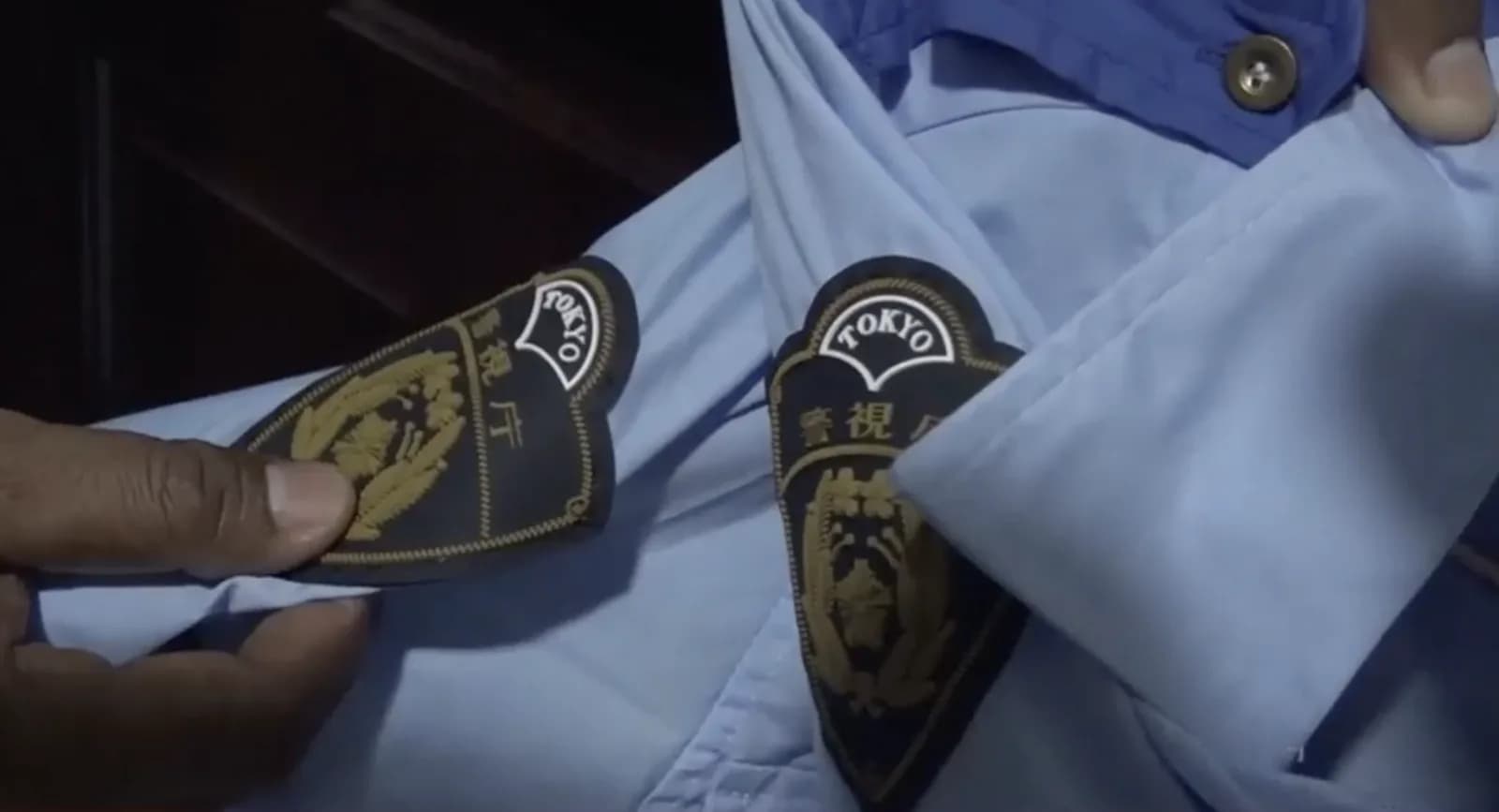
Timor-Leste investigators raided a building in Dili used to run telecom scams and detained 16 people, including seven Japanese and six Chinese nationals. A fake Japanese police uniform, a staged police backdrop and a Japanese-language fraud manual were found. The group allegedly posed as Japanese police to target people in Japan.
DILI: Investigators in Timor-Leste have raided a building in the capital, Dili, that they say was used to run telecom scams, detaining 16 people, including seven Japanese and six Chinese nationals.
At the site, raided on Friday, they found a fake Japanese police uniform and a staged backdrop bearing the insignia of a Japanese prefectural police headquarters.

A Japanese-language document believed to be a fraud manual was also recovered.

Investigators believe the group impersonated Japanese police to target people in Japan.
The bust is the latest in a series of recent cases in Timor-Leste involving foreigners.
Modus operandi
The seized manual is a call script. It tells callers to ask victims whether a number is a home or company line, pretend to check it, and politely hang up on company lines by calling it a wrong number.
Private households are kept on the line and told that a fraudulent parcel had been sent in their name.
UN flags Timor-Leste as an emerging scam hub
In September 2025, the UN Office on Drugs and Crime (UNODC) warned that transnational crime groups were setting up Southeast Asia-style scam centre operations in Timor-Leste, using foreign investment in the Oecusse-Ambeno special economic region.
The UNODC linked the activity to convicted cybercriminals, offshore gambling operators and triad-linked networks.
It said crackdowns in traditional hotspots were pushing syndicates into jurisdictions with little experience of scam centres, and that Timor-Leste showed the same early signs seen in the Mekong countries and the Philippines.
Fraud bases have reportedly spread across Southeast Asia after a crackdown in Cambodia, where they were first concentrated.